Smart home tech tools have changed how people interact with their living spaces. These devices allow homeowners to control lighting, security, temperature, and entertainment through smartphones or voice commands. The global smart home market reached $121 billion in 2024 and continues to grow as more households adopt connected technology.
This guide covers the essential smart home tech tools available today. It explains what these devices do, which ones work best in different rooms, and how to build a cohesive system. Whether someone wants to start with a single smart speaker or automate their entire home, understanding these tools helps them make informed decisions.
Table of Contents
ToggleKey Takeaways
- Smart home tech tools let you control lighting, security, temperature, and entertainment remotely through apps or voice commands.
- Start small with a smart speaker ($30–100) and smart plugs ($10–25) before expanding your connected home system.
- Choose one ecosystem—Amazon Alexa, Google Home, or Apple HomeKit—to ensure your smart home tech tools communicate seamlessly.
- Smart thermostats can reduce heating and cooling costs by 10–15%, making automation both convenient and cost-effective.
- Use automations or routines to chain actions together, such as locking doors, adjusting temperature, and turning off lights with a single command.
- Look for Matter-certified devices to ensure cross-platform compatibility and avoid ecosystem lock-in.
What Are Smart Home Tech Tools?
Smart home tech tools are internet-connected devices that automate and control household functions. They communicate through Wi-Fi, Bluetooth, Zigbee, or Z-Wave protocols. Users manage these devices through apps, voice assistants, or automated schedules.
The most common smart home tech tools include:
- Smart speakers and displays – Amazon Echo, Google Nest Hub, and Apple HomePod serve as central control points
- Smart thermostats – Devices like Nest and Ecobee learn user preferences and adjust temperatures automatically
- Smart lighting – Philips Hue, LIFX, and Wyze bulbs offer color changes, dimming, and scheduling
- Smart locks and doorbells – Ring, Nest, and August products provide remote access and video monitoring
- Smart plugs and switches – These convert standard appliances into connected devices
These smart home tech tools share a key feature: remote accessibility. A homeowner can check their front door camera from work, adjust the thermostat while traveling, or turn off lights they forgot to switch off. The devices also work together. A single voice command can dim lights, lock doors, and start playing music simultaneously.
Smart home tech tools save energy and money too. Smart thermostats reduce heating and cooling costs by 10-15% on average. Motion-activated lights prevent waste. Smart plugs eliminate phantom power draw from idle electronics.
Essential Smart Home Devices for Every Room
Different rooms benefit from different smart home tech tools. Here’s a breakdown of the most useful devices by location.
Living Room
The living room typically serves as the smart home hub. A smart speaker or display works well here since family members spend significant time in this space. Smart TVs or streaming devices like Roku and Apple TV integrate with voice assistants. Smart lighting creates ambiance for movie nights or entertaining guests.
Kitchen
Smart displays shine in kitchens. Users can follow video recipes, set multiple timers, and check grocery lists hands-free. Smart plugs control coffee makers and slow cookers. Smart refrigerators track expiration dates and create shopping lists, though they carry premium price tags.
Bedroom
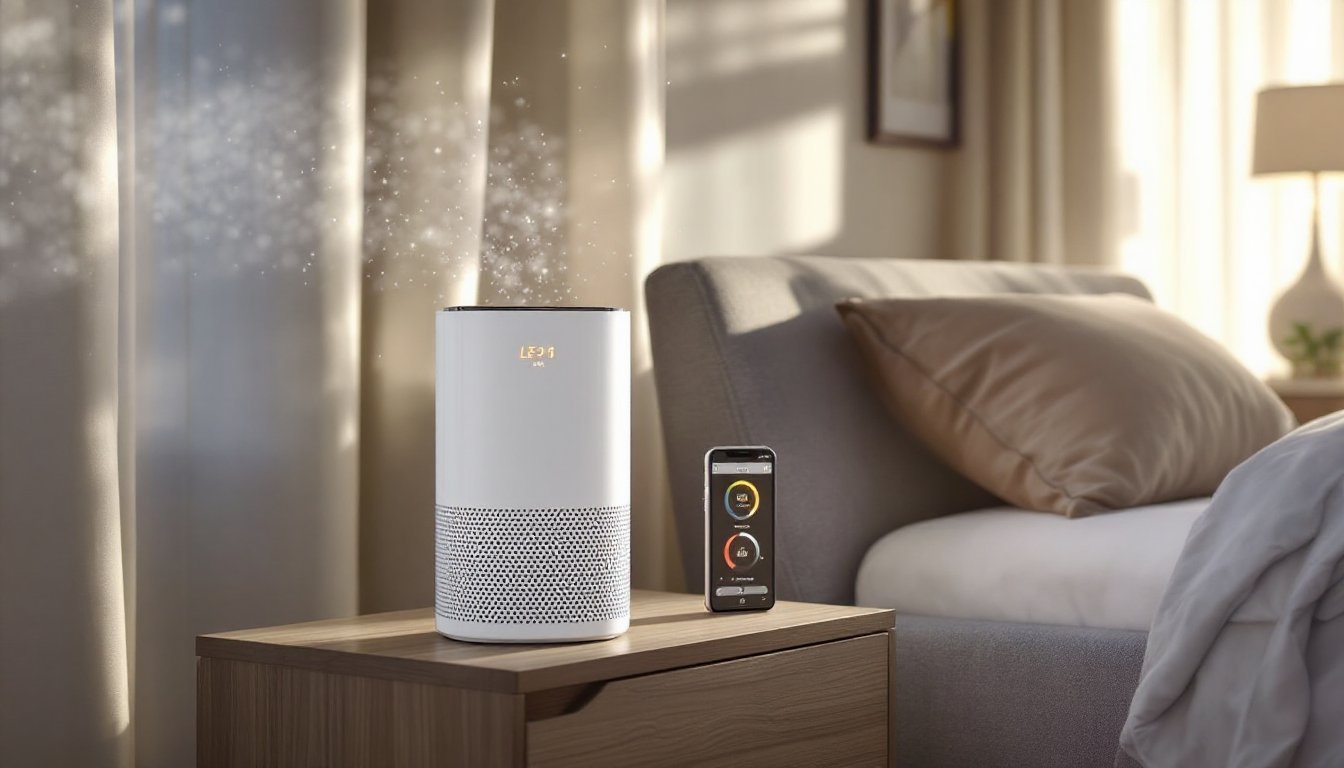
Smart home tech tools in bedrooms focus on comfort and sleep quality. Smart bulbs that shift to warmer tones in the evening support natural sleep cycles. Smart blinds open gradually in the morning as a gentle alarm. White noise machines and sleep trackers connect to broader smart home systems.
Bathroom
Waterproof smart speakers allow music and podcast listening during showers. Smart mirrors display weather, calendar events, and news. Water leak sensors placed near toilets and under sinks prevent expensive damage by sending immediate alerts.
Entry Points
Smart doorbells with cameras show visitors before the door opens. Smart locks eliminate keys and allow temporary access codes for guests or delivery services. Motion sensors trigger outdoor lighting and send notifications about activity.
How to Choose the Right Smart Home Ecosystem
Smart home tech tools work best within a unified ecosystem. The three major platforms are Amazon Alexa, Google Home, and Apple HomeKit. Each has strengths and limitations.
Amazon Alexa offers the widest device compatibility. Thousands of products work with Alexa, from major brands to budget options. Echo devices range from affordable to premium. Alexa’s skills system adds functionality through third-party integrations.
Google Home excels at natural language processing and search integration. Google Assistant understands context better than competitors. The Nest product line provides high-quality thermostats, cameras, and speakers. Android users find Google Home integration seamless.
Apple HomeKit prioritizes privacy and security. All HomeKit devices meet Apple’s encryption standards. The system works smoothly with iPhones, iPads, and Macs. But, HomeKit supports fewer devices than Alexa or Google, and compatible products often cost more.
When selecting smart home tech tools, consider these factors:
- Existing devices – Choose the ecosystem that matches current phones and tablets
- Budget – Alexa-compatible devices tend to be cheapest: HomeKit products run expensive
- Privacy concerns – Apple collects less data than Amazon or Google
- Specific needs – Some specialized devices only support certain platforms
The Matter standard, launched in 2022, promises better cross-platform compatibility. Devices with Matter certification work across all major ecosystems. This reduces lock-in concerns for future purchases of smart home tech tools.
Getting Started With Smart Home Automation
Building a smart home doesn’t require spending thousands of dollars at once. Starting small and expanding over time produces better results.
First Steps
A smart speaker makes an ideal starting point for smart home tech tools. It costs between $30-100 and provides voice control for future devices. Users learn voice commands and discover which automations they actually want.
Smart plugs offer the next logical step. At $10-25 each, they add connectivity to lamps, fans, and small appliances without replacing existing equipment. This low-risk investment demonstrates smart home benefits quickly.
Building Automations
Automations, called “routines” in Alexa or “scenes” in HomeKit, chain multiple actions together. Examples include:
- “Good morning” turns on lights, reads weather and calendar, and starts the coffee maker
- “Leaving home” locks doors, adjusts the thermostat, and turns off all lights
- Motion at the front door after dark activates porch lights and sends a phone notification
These automations showcase the real power of smart home tech tools. Individual devices provide convenience. Connected systems provide transformation.
Common Mistakes to Avoid
New smart home users often make predictable errors. They buy devices from different ecosystems that don’t communicate well. They neglect their Wi-Fi network’s capacity, a home with 20+ connected devices needs a quality router. They also forget about guests who can’t operate voice-controlled systems.
Planning ahead prevents these issues. Mapping out which smart home tech tools will eventually fill the home helps maintain compatibility. Upgrading internet infrastructure early saves frustration later.