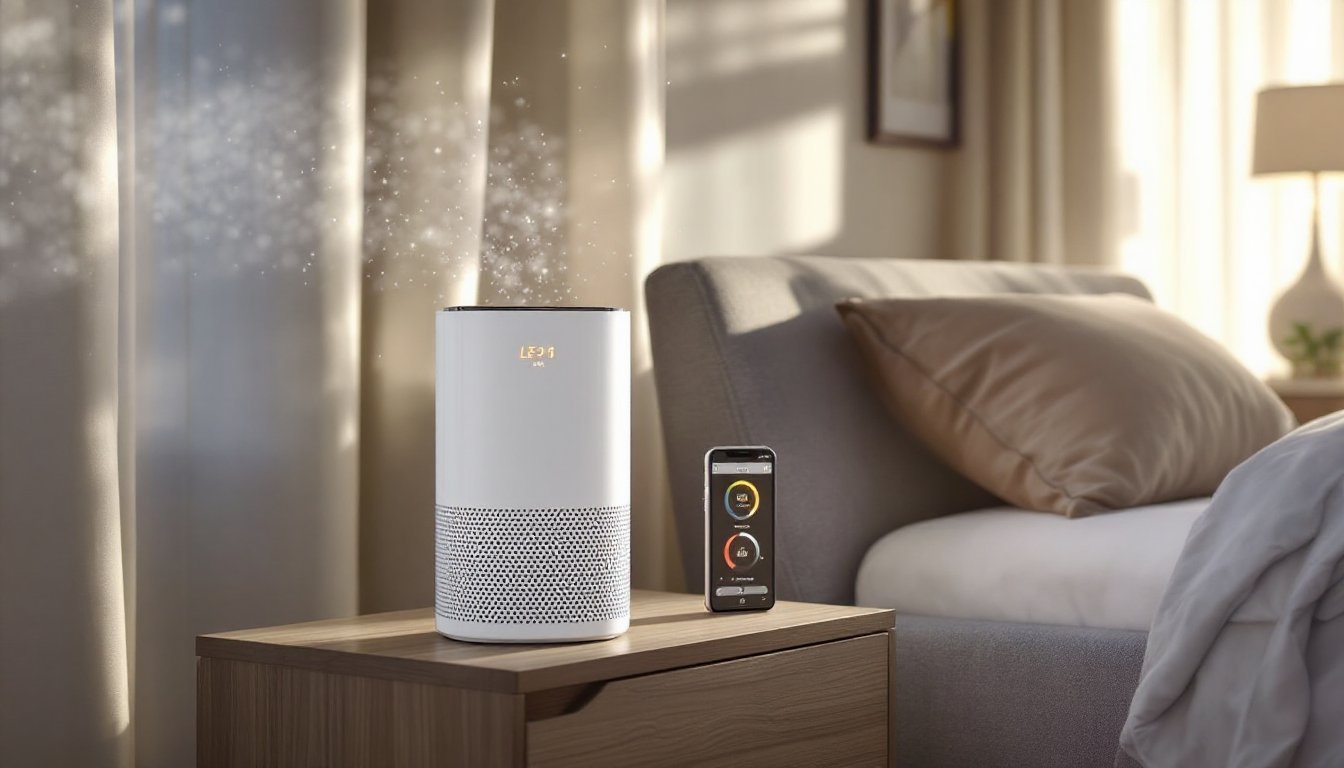
Smart home tech vs traditional home systems represents one of the biggest decisions homeowners face today. The choice affects daily convenience, energy bills, and long-term property value. Smart devices now control lighting, climate, security, and appliances through a single app or voice command. Traditional systems rely on manual controls and standalone components that have worked reliably for decades. Each approach offers distinct advantages depending on budget, lifestyle, and comfort with technology. This guide breaks down the key differences, benefits, and costs to help readers make an well-informed choice.
Table of Contents
ToggleKey Takeaways
- Smart home tech vs traditional systems comes down to balancing convenience, cost, and your comfort level with technology.
- Smart thermostats can reduce heating and cooling costs by 10-15%, often offsetting their higher upfront price within a few years.
- Traditional systems offer superior reliability since they don’t depend on internet connections or software updates to function.
- Homes with smart technology installed sell faster and appeal to 81% of buyers, boosting resale value.
- A hybrid approach—using smart devices for thermostats and security while keeping traditional switches elsewhere—works well for many households.
- Consider your internet reliability, household composition, and long-term plans before deciding between smart home tech vs traditional setups.
What Makes Smart Home Technology Different
Smart home technology connects devices through a central hub or wireless network. Thermostats, lights, locks, cameras, and appliances communicate with each other and respond to commands from smartphones or voice assistants like Alexa and Google Home.
The main difference lies in automation and remote access. A smart thermostat learns a household’s schedule and adjusts temperatures automatically. Smart lights can dim at sunset or turn off when everyone leaves. Security cameras send real-time alerts to a phone, no matter where the homeowner is.
Traditional systems operate independently. A standard thermostat requires manual adjustment. Regular light switches flip on or off with no programming options. Security systems may include monitoring, but they don’t offer the same instant smartphone notifications or video feeds.
Smart home tech vs traditional setups also differs in data collection. Smart devices gather usage patterns to optimize performance. A smart plug tracks energy consumption for each appliance. This information helps homeowners identify wasteful habits and reduce utility costs.
Connectivity is the foundation. Wi-Fi, Zigbee, Z-Wave, and Bluetooth protocols allow devices to share information. Traditional systems lack this communication layer, meaning each component functions in isolation.
Benefits of Smart Home Systems
Smart home systems deliver convenience that traditional setups can’t match. Homeowners control multiple devices from one app. They can lock doors, adjust the AC, and check security cameras without leaving the couch, or from across the country.
Energy efficiency ranks high among smart home benefits. Smart thermostats from brands like Nest and Ecobee reduce heating and cooling costs by 10-15% on average, according to Energy Star data. Smart lighting systems detect empty rooms and switch off automatically.
Security improves with smart technology. Video doorbells show who’s at the door before it opens. Smart locks allow temporary access codes for guests or service workers. Motion sensors trigger lights and alerts, deterring potential intruders.
Accessibility matters for aging homeowners or those with mobility challenges. Voice commands eliminate the need to reach switches or walk across rooms. Automated routines handle repetitive tasks without physical effort.
Home value increases with smart upgrades. A 2023 survey by Coldwell Banker found that 81% of buyers prefer homes with smart technology already installed. Smart home tech vs older systems often tips the scale during real estate negotiations.
Integration creates seamless experiences. A “good night” voice command can lock all doors, turn off lights, lower the thermostat, and arm the security system simultaneously.
Advantages of Traditional Home Systems
Traditional home systems offer simplicity. There’s no app to download, no account to create, and no passwords to remember. A light switch works the same way it did 50 years ago.
Reliability is a major strength. Traditional systems don’t depend on internet connections. Power outages aside, a manual thermostat keeps working regardless of router issues or service disruptions. Smart devices can become paperweights during network failures.
Privacy concerns disappear with traditional setups. Smart devices collect data and sometimes share it with manufacturers or third parties. Standard switches and thermostats store nothing and transmit nothing.
Upfront costs favor traditional systems. A basic programmable thermostat costs $25-50. A smart thermostat runs $150-300. This price gap exists across most categories, from lighting to security.
Maintenance stays straightforward. Traditional systems rarely need software updates or compatibility checks. They don’t become obsolete when a manufacturer discontinues support. A 20-year-old light switch still works perfectly.
The learning curve is flat. Anyone can operate traditional controls without training or technical knowledge. This matters in households with multiple generations or frequent guests who aren’t tech-savvy.
Smart home tech vs traditional options isn’t always a clear winner. For homeowners who value proven reliability over cutting-edge features, traditional systems remain a solid choice.
Cost and Long-Term Value Comparison
Initial investment differs significantly between smart and traditional systems. A basic smart home setup, including a hub, smart thermostat, a few smart bulbs, and a video doorbell, typically costs $500-1,000. Traditional equivalents run $100-200.
Operating costs tell a different story. Smart thermostats save an average of $180 per year on energy bills. Smart power strips eliminate phantom loads from devices in standby mode. Over five years, these savings often offset the higher purchase price.
Installation expenses vary. Many smart devices are DIY-friendly, requiring only basic skills. Traditional hardwired systems sometimes need professional electricians, especially for security setups or whole-home automation alternatives.
Replacement cycles matter in the smart home tech vs traditional debate. Traditional components last 15-30 years with minimal maintenance. Smart devices may need replacement every 5-10 years as technology advances and manufacturers end software support.
Resale value favors smart homes. Properties with integrated smart systems sell faster and command higher prices. But, this premium depends on the local market and buyer demographics.
Subscription fees add ongoing costs to some smart systems. Cloud storage for security cameras, professional monitoring, and premium app features can add $10-30 monthly. Traditional systems typically have no recurring charges beyond optional monitoring services.
The true cost calculation requires factoring in energy savings, installation, replacements, and any subscriptions over the expected ownership period.
Choosing the Best Option for Your Lifestyle
Lifestyle factors should drive the decision between smart home tech vs traditional systems. Active households with irregular schedules benefit most from automation. Remote workers who travel frequently appreciate the ability to monitor and control home systems from anywhere.
Tech comfort level matters. Homeowners who enjoy gadgets and apps will embrace smart technology. Those who prefer straightforward solutions without troubleshooting may find traditional systems less frustrating.
Budget constraints guide initial choices. Renters might opt for portable smart devices they can take to the next apartment. Homeowners with long-term plans can invest in permanent smart infrastructure.
Household composition plays a role. Families with young children benefit from smart locks and cameras. Elderly residents may prefer voice-controlled devices that reduce physical strain. Multi-generational homes might need a hybrid approach.
Internet reliability influences success. Rural areas with spotty connectivity may struggle with cloud-dependent smart devices. Urban homes with fiber internet can run entire smart ecosystems without lag.
Future plans affect the calculation. Homeowners planning to sell within five years might prioritize smart upgrades for resale value. Those aging in place may want technology that supports independence.
A hybrid approach works for many households. Smart thermostats and security cameras offer clear advantages, while traditional switches in guest rooms keep things simple for visitors.