The best smart home tech transforms ordinary houses into connected, efficient spaces. These devices save time, cut energy costs, and add convenience to daily routines. From voice-controlled assistants to automated lighting, smart home technology has become more affordable and accessible than ever. This guide covers the top smart home devices worth buying in 2025. Readers will learn about smart speakers, lighting, security systems, thermostats, and how to choose the right products for their needs.
Table of Contents
ToggleKey Takeaways
- The best smart home tech includes smart speakers, lighting, security systems, and thermostats that save time, energy, and money.
- Smart speakers from Amazon, Google, or Apple serve as the central hub for controlling all connected devices with voice commands.
- Smart thermostats can reduce heating and cooling costs by about 8% annually, often paying for themselves within two years.
- Before buying smart home tech, choose one ecosystem (Alexa, Google, or Apple) to avoid compatibility issues and maximize device integration.
- Look for Matter-certified products to ensure seamless connectivity across different manufacturers and platforms.
- Start small with a speaker and a few smart bulbs, then expand gradually to security devices and climate control as you become comfortable.
Smart Speakers and Voice Assistants
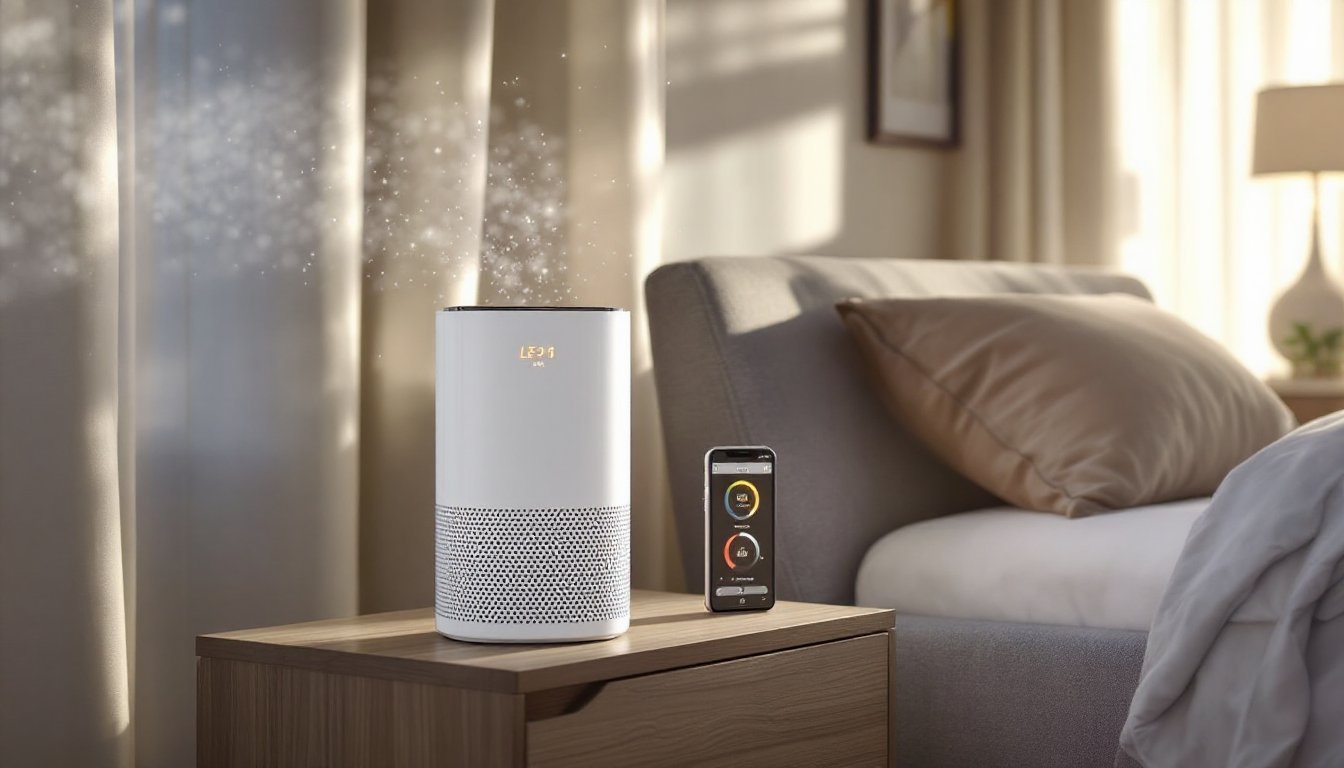
Smart speakers serve as the central hub for many connected homes. These devices respond to voice commands, play music, answer questions, and control other smart home tech throughout the house.
Amazon Echo devices remain popular choices for their Alexa integration. The Echo Dot offers an affordable entry point, while the Echo Show adds a touchscreen display for video calls and visual recipes. Google Nest speakers provide excellent search capabilities and work seamlessly with Android phones. Apple HomePod appeals to iPhone users who want tight integration with their existing devices.
Voice assistants do more than play songs. They set timers, create shopping lists, check weather forecasts, and read the news. Users can control lights, locks, and thermostats without lifting a finger. Many families use smart speakers as intercoms between rooms.
When selecting a smart speaker, consider which ecosystem fits best. Alexa works with the most third-party devices. Google Assistant excels at answering complex questions. Siri integrates deeply with Apple products. The best smart home tech choice depends on what phones and gadgets the household already uses.
Smart Lighting Solutions
Smart lighting ranks among the most practical upgrades for any home. These bulbs and switches offer remote control, scheduling, and color options that traditional lighting cannot match.
Philips Hue leads the smart lighting market with reliable bulbs, light strips, and outdoor fixtures. The system requires a hub but delivers excellent performance and app control. LIFX bulbs skip the hub requirement and connect directly to Wi-Fi. They cost more upfront but simplify installation.
Budget-conscious buyers appreciate Wyze and Sengled bulbs. These options cost less than premium brands while still offering app control and voice assistant compatibility. Smart switches from Lutron and TP-Link convert existing fixtures into connected lights without replacing every bulb.
Smart lighting saves energy through automation. Lights can turn off automatically when rooms empty or dim during evening hours. Motion sensors trigger hallway lights at night, preventing stubbed toes and keeping kids safe. Scene settings adjust multiple lights at once for movie watching, dinner parties, or bedtime routines.
Color-changing bulbs add fun to any space. Users set warm tones for relaxation or bright whites for focused work. Some systems sync with music or movies for immersive entertainment experiences.
Smart Security Systems
Smart security systems protect homes while providing peace of mind. Modern options offer professional-grade monitoring without expensive contracts or complex installations.
Video doorbells from Ring and Google Nest show visitors before the door opens. These devices record footage, send motion alerts, and allow two-way conversations with delivery drivers. The Ring Video Doorbell Pro 2 captures high-resolution video with a wide viewing angle. Nest Doorbell stores up to three hours of video history for free.
Indoor and outdoor cameras add another layer of protection. Arlo cameras offer wire-free installation and weather resistance. Eufy cameras store footage locally, avoiding monthly cloud subscription fees. Many best smart home tech setups combine cameras with motion-activated lights for complete coverage.
Smart locks eliminate the need for physical keys. August and Schlage models allow remote locking, temporary guest codes, and auto-lock features. Yale smart locks integrate with popular security platforms for unified control.
Comprehensive systems from SimpliSafe and Abode bundle sensors, cameras, and monitoring into complete packages. DIY installation takes under an hour for most homes. Professional monitoring starts around $15 monthly, far less than traditional alarm companies charge.
Smart Thermostats and Climate Control
Smart thermostats reduce energy bills while maintaining comfortable temperatures. These devices learn household patterns and adjust heating and cooling automatically.
The Nest Learning Thermostat remains a top choice for its adaptive scheduling. It tracks when occupants leave and return, then adjusts temperatures accordingly. The device displays energy usage reports and suggests ways to save money. Ecobee thermostats include room sensors that monitor temperatures throughout the house, preventing hot and cold spots.
Honeywell Home T9 offers similar features at a lower price point. It works with most HVAC systems and supports geofencing, which adjusts settings based on smartphone location. Amazon Thermostat provides basic smart features for under $80, making it the most affordable entry into climate control automation.
Smart thermostats pay for themselves through energy savings. The EPA estimates these devices save 8% on heating and cooling costs annually. A $250 thermostat typically recovers its cost within two years.
Smart ceiling fans and portable AC units expand climate control options. Hunter and Big Ass Fans offer app-controlled ceiling fans that work with voice assistants. Portable units from Frigidaire and LG add smart features to room cooling. The best smart home tech approach combines thermostats with fans for maximum efficiency.
How to Choose the Right Smart Home Devices
Selecting smart home devices requires some planning. The wrong choices lead to compatibility headaches and wasted money.
Start with one ecosystem. Mixing Amazon, Google, and Apple devices creates friction. Pick the platform that matches current phones and habits. Alexa offers the widest device compatibility. Google provides superior voice recognition. Apple delivers the best privacy protections.
Check compatibility before buying. The Matter standard, launched in 2022, helps devices from different manufacturers work together. Products with Matter certification connect across ecosystems more easily. Look for this logo when shopping for the best smart home tech.
Consider the home’s Wi-Fi capacity. Each smart device adds load to the network. Homes with more than 20 connected devices may need mesh routers or dedicated IoT networks. Slow Wi-Fi causes frustration with delayed responses and dropped connections.
Read reviews from multiple sources before purchasing. User reviews reveal real-world performance issues that spec sheets hide. Pay attention to comments about app quality, setup difficulty, and long-term reliability.
Start small and expand gradually. Begin with a smart speaker and a few bulbs. Add security devices and thermostats once the basics work smoothly. This approach prevents overwhelming complexity and spreads costs over time.