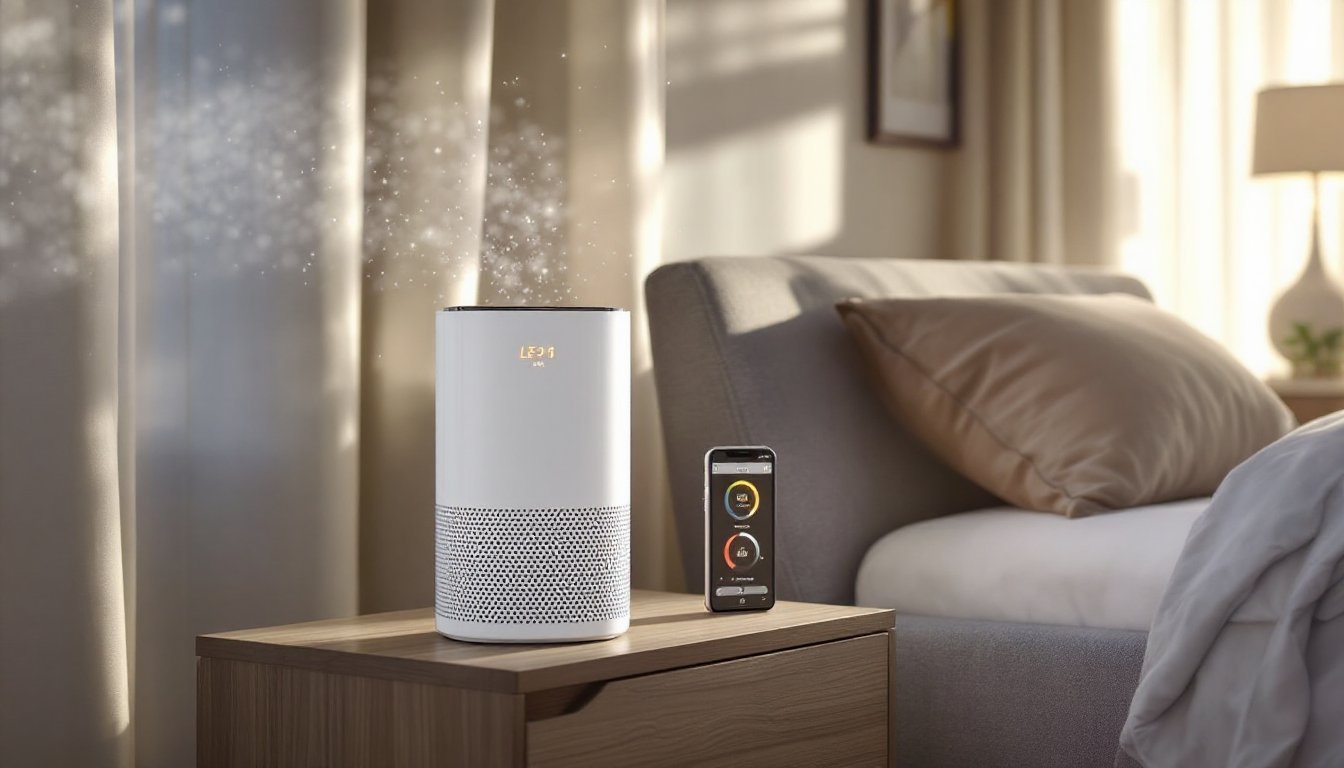
Smart home tech strategies can transform a regular house into an efficient, automated living space. The connected home market continues to grow, with millions of households adding smart devices each year. But without a clear plan, buyers often end up with incompatible gadgets, security gaps, and wasted money.
This guide covers practical smart home tech strategies that work. Readers will learn how to assess their needs, pick the right ecosystem, protect their privacy, and build a connected home step by step. These strategies apply whether someone is starting from scratch or expanding an existing setup.
Table of Contents
ToggleKey Takeaways
- Start your smart home tech strategy by assessing your household’s specific needs, priorities, and budget before purchasing any devices.
- Choose one central ecosystem (Amazon Alexa, Google Home, or Apple HomeKit) to ensure seamless device compatibility and easier management.
- Prioritize security by using strong passwords, enabling two-factor authentication, and keeping firmware updated on all connected devices.
- Begin with affordable starter devices like smart speakers, plugs, or bulbs to learn the technology before scaling up.
- Smart thermostats and lighting controls can reduce utility bills by 10-25% annually when implemented strategically.
- Treat your smart home as an ongoing project—gradual adoption prevents frustration and lets you benefit from improving technology and dropping prices.
Assess Your Needs Before Buying
The first step in any smart home tech strategy is honest self-assessment. What problems need solving? What daily tasks could benefit from automation?
Some households want energy savings. Smart thermostats and lighting controls can cut utility bills by 10-25% annually. Others prioritize convenience, voice-controlled speakers, automated blinds, or robot vacuums that clean on schedule.
Security concerns drive many purchases too. Smart locks, video doorbells, and motion sensors offer peace of mind for families and frequent travelers.
Here’s a practical approach:
- List daily frustrations: Does the family forget to lock doors? Do lights stay on in empty rooms? Does the thermostat need constant adjustment?
- Identify priorities: Rank these issues by importance and frequency.
- Set a budget: Smart home tech ranges from $20 smart plugs to $500 smart locks. Knowing financial limits prevents impulse purchases.
- Consider who lives there: Elderly family members may struggle with complex interfaces. Young children might accidentally trigger devices.
This assessment phase saves money and frustration later. A household that primarily wants entertainment doesn’t need the same smart home tech strategies as one focused on accessibility features.
Skipping this step leads to drawer full of unused gadgets and apps that never get opened.
Choose a Central Ecosystem
Every effective smart home tech strategy needs a central hub or ecosystem. The three major platforms are Amazon Alexa, Google Home, and Apple HomeKit. Each has strengths and limitations.
Amazon Alexa offers the widest device compatibility. Thousands of products work with Alexa, from budget brands to premium options. The voice assistant handles complex routines well and integrates with Amazon’s shopping features.
Google Home excels at answering questions and integrating with Google services like Calendar and Maps. Its voice recognition handles multiple users effectively, and it works smoothly with Android devices.
Apple HomeKit provides the tightest security and privacy controls. It works best for households already invested in Apple products, iPhones, iPads, and Macs. Device selection is more limited, but certified products meet strict standards.
Some households use multiple ecosystems, but this approach creates complications. Different apps control different devices. Automations don’t always communicate across platforms. Technical troubleshooting becomes harder.
The smarter smart home tech strategy is picking one primary ecosystem and sticking with it. When shopping for new devices, compatibility with the chosen platform should be the first checkbox.
Matter, a new connectivity standard, promises to bridge ecosystem gaps. Devices with Matter certification work across all major platforms. As more Matter-compatible products hit shelves, cross-platform smart homes will become more practical.
Prioritize Security and Privacy
Smart home tech strategies must address security risks. Every connected device is a potential entry point for hackers. Cameras, door locks, and baby monitors have all been compromised in documented cases.
Basic security measures include:
- Strong, unique passwords: Each device and account needs its own password. Password managers make this manageable.
- Two-factor authentication: Enable it wherever available, especially for cameras and door locks.
- Regular firmware updates: Manufacturers patch security holes through updates. Automatic updates should be enabled when possible.
- Separate network: Many routers allow guest networks. Putting smart devices on a separate network limits damage if one gets compromised.
Privacy matters too. Smart speakers listen for wake words constantly. Some devices send data to company servers for processing. Users should review privacy settings and understand what data gets collected.
Reputable brands typically offer better security support than cheap no-name alternatives. That $15 camera might work fine, but will the manufacturer issue security patches in two years? Probably not.
Reading reviews and checking a company’s track record on security issues is part of smart shopping. A few extra dollars spent on established brands often means better long-term protection.
Smart home tech strategies that ignore security create homes that are connected but vulnerable. The convenience isn’t worth the risk.
Start Small and Scale Gradually
The best smart home tech strategies embrace patience. Starting with one or two devices allows households to learn the technology, test workflows, and identify what actually improves daily life.
Good starter devices include:
- Smart speaker: A $50 Echo Dot or Google Nest Mini serves as a voice control hub and helps users get comfortable with the ecosystem.
- Smart plugs: These turn any device into a smart device. Control lamps, fans, or coffee makers through voice or app.
- Smart bulbs: Replace a few key bulbs to experience automated lighting without major investment.
After a month or two, patterns emerge. Maybe voice control feels natural now. Perhaps the household rarely uses certain features. This experience guides the next purchase.
Scaling up might mean adding a smart thermostat for energy savings or installing a video doorbell for security. Each addition should solve a specific problem identified through actual use.
Rushing to automate everything creates problems. Complex routines break down. Family members get frustrated with too many changes at once. Technical issues multiply when dozens of devices need troubleshooting simultaneously.
Smart home tech strategies work best as ongoing projects rather than one-time installations. Technology improves constantly. Prices drop. New devices offer better features. Gradual adoption lets households benefit from these trends instead of being stuck with outdated first-generation products.