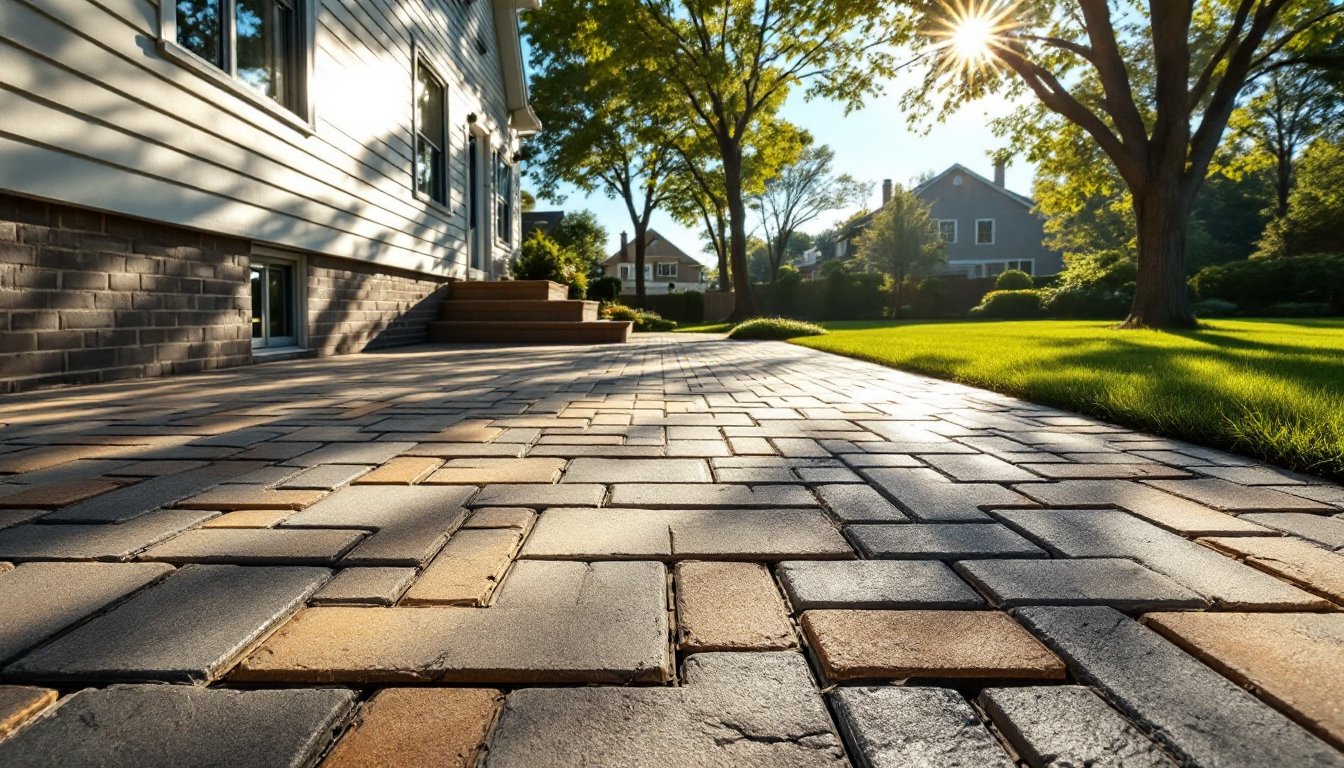
Concrete pavers have transformed the way homeowners approach patio design, offering a balance of durability, affordability, and aesthetic flexibility that’s hard to beat. Unlike poured concrete, which cracks as it ages and offers limited design options, patio concrete pavers let you mix colors, patterns, and textures to match your home’s style. They’re also forgiving for DIYers, if a single paver cracks or stains over time, you replace just that one piece instead of tearing up your entire patio. Whether you’re building your first outdoor space or upgrading an aging deck, understanding the types of pavers available and how to install them properly will save you headaches and money down the road.
Table of Contents
ToggleKey Takeaways
- Patio concrete pavers offer superior durability and design flexibility compared to poured concrete, with the ability to replace individual pieces rather than tearing up your entire patio.
- Concrete pavers cost $3 to $15 per square foot installed and handle freeze-thaw cycles better than monolithic concrete thanks to sand-filled joints that allow for drainage and movement.
- Permeable patio concrete pavers are 10–20% more expensive but provide environmental benefits by allowing water drainage, making them ideal for areas with heavy rainfall or strict stormwater regulations.
- Successful paver installation requires proper base preparation with 4 inches of compacted gravel and 1 inch of polymeric sand—this foundation step is critical to preventing uneven settling and patio damage over time.
- A 12×16-foot patio project can be completed in 2–3 days by a DIYer with a helper using basic tools like a level, rubber mallet, and rented plate compactor for base preparation.
- Always call 811 before digging and verify local permit requirements for patios over 200 square feet to avoid hitting utilities and ensure compliance with building codes.
Why Concrete Pavers Are the Smart Choice for Patios
Concrete pavers outperform poured concrete and natural stone in several practical ways. They’re manufactured in consistent sizes, typically 2 to 3 inches thick and ranging from 6×6 inches to 24×24 inches, so you know exactly what you’re getting before installation. Unlike flagstone, which requires skilled cutting and often needs sealing, pavers arrive ready to lay.
They also handle freeze-thaw cycles better than monolithic concrete. When water seeps into a crack in poured concrete, it expands in winter and splits the slab wide open. Pavers have small joints between them (usually filled with sand or polymeric sand) that allow for slight movement and drainage, preventing the costly heaving that plagues northern patios.
Cost-wise, concrete pavers typically run $3 to $15 per square foot installed, depending on design complexity and finish. That’s cheaper than natural stone but more than simple poured concrete. The real savings appear over time: repairs are easy, and replacing a section takes a weekend, not months of hassle. You also avoid stains settling into porous concrete, sealed pavers resist oil, wine, and rust far better.
Types of Concrete Pavers to Consider
Standard Interlocking Pavers
Interlocking pavers are the workhorses of residential patios. They feature angled or nested edges that lock together and distribute weight evenly, requiring no adhesive. Most are available in earth tones, gray, tan, brown, and charcoal, with some manufacturers offering decorative finishes like tumbled, brushed, or split-face textures.
The 12×12-inch modular paver is the most common starting point for DIYers. It’s large enough to cover ground quickly, small enough to handle without machinery, and simple to cut with a paver splitter or circular saw fitted with a masonry blade. Six-inch pavers offer more design flexibility if you want intricate patterns, but they require more cuts and labor.
Standard interlocking pavers are rated for residential use (foot traffic and patio furniture). They’re not suitable for vehicles unless specifically rated for that load: check the manufacturer’s spec sheet to confirm. A properly installed base (4 inches of compacted gravel and 1 inch of sand) ensures they’ll stay level for years.
Permeable and Eco-Friendly Options
Permeable pavers let water drain through the joints instead of pooling on the surface or overwhelming storm drains. They’re typically paired with permeable base materials and are required by code in some municipalities for environmental compliance. Common permeable options include grid pavers (which allow grass to grow between them) and porous concrete pavers with open voids.
These cost 10–20% more than standard pavers, but they’re worth it if you live in an area with heavy rainfall or strict stormwater regulations. Grass-filled grid pavers create a softer look and support light foot traffic, while fully porous concrete pavers handle the same loads as standard ones. Maintenance is simpler too, no moss buildup in joints because water drains freely, and weeds are easier to manage.
Planning Your Patio Paver Project
Measuring, Design, and Layout
Before ordering pavers, measure your patio footprint carefully. Use a 50-foot tape measure and measure diagonally in both directions: if those diagonal measurements match, your patio is square or rectangular. If they don’t match, you have a trapezoid or irregular shape, flag this now, because it affects material ordering and layout.
Draw a to-scale plan on graph paper. Mark the house wall, any trees, utility lines (call 811 before digging), and drainage direction. The patio should slope slightly away from the house, typically 1/8 inch per foot, so water doesn’t pool against your foundation. This slope is nearly invisible to the eye but critical for longevity.
Next, figure out your pattern. A simple running bond (offset rows, like brickwork) is beginner-friendly and hides minor slope inconsistencies. Herringbone and pinwheel patterns look sophisticated but waste more material due to edge cuts. Estimate your paver needs by calculating square footage and adding 10% for cuts and breakage.
Consider the learning curve: laying pavers is less forgiving than pouring concrete, but it’s entirely doable for a motivated DIYer on a weekend project. A 12×16-foot patio (192 square feet) typically takes 2–3 days with one person and a helper. You’ll need a tape, level, rubber mallet, paver splitter (or a circular saw), wheelbarrow, and a tamper. Rent a plate compactor for the base prep, it saves your back and guarantees a solid foundation. Resources like budget patchwork patio guides can provide detailed materials lists and layout examples for common sizes.
Installation Basics for DIY Success
Success starts with prep work. Excavate 5–6 inches deep (enough for 1 inch of sand and 4 inches of compacted base). Remove grass, roots, and debris: don’t leave soft soil underneath or your pavers will settle unevenly over time.
Compact the soil first with a hand tamper or rented plate compactor. Add 4 inches of crushed stone (also called gravel or crush-and-run), not sand, sand compacts poorly and shifts under weight. Tamp every 2 inches in layers. This step is the difference between a patio that stays flat and one that develops low spots in year two.
Once the base is solid (jump on it, it should feel like concrete), spread 1 inch of polymeric joint sand (not regular sand) over the base and level it with a long straightedge. Polymeric sand hardens when wet, locking pavers in place and preventing weeds from sprouting between joints. Regular sand washes out quickly and invites ant colonies.
Installation steps:
- Start at a corner anchored by your house or a string line.
- Lay the first paver with a small rocking motion to seat it in the sand.
- Use a level to check both directions: it shouldn’t rock.
- Continue laying in your chosen pattern, checking level every 4–6 pavers.
- For cuts, mark the paver with a cold chisel and tap gently with a 2-pound hammer, or use a paver splitter (a hand-operated tool that makes clean breaks), cleaner than a circular saw and safer if you’re new to the task.
- Tap pavers down with a rubber mallet as you go: they should be snug but not crammed.
- Once all pavers are laid, spread polymeric sand across the surface, sweep it into all joints, and mist with water from a garden hose. Let it cure per the manufacturer’s instructions (usually 24 hours) before heavy use.
Safety essentials: Wear safety goggles when cutting pavers (dust and chips fly), work gloves to protect your hands from sharp edges, and a dust mask if you’re cutting more than a few pieces. If you’re renting a compactor, ask the rental company for a quick demo, they’re powerful and can pull you off balance if you’re not ready.
Permit requirements vary by location. Some jurisdictions require permits for patios over a certain size (often 200 square feet) or if the patio is connected to the house foundation. Call your local building department before starting: it’s faster than discovering mid-project that you need a retroactive inspection. You’ll also want to confirm that no underground utilities run through your site, call 811 at least three days before digging, and mark the lines with spray paint. Homeowners who locate utilities themselves sometimes hit water, electric, or gas lines, which is expensive and dangerous. Contractors use project planning resources to verify requirements and budget accurately before breaking ground.