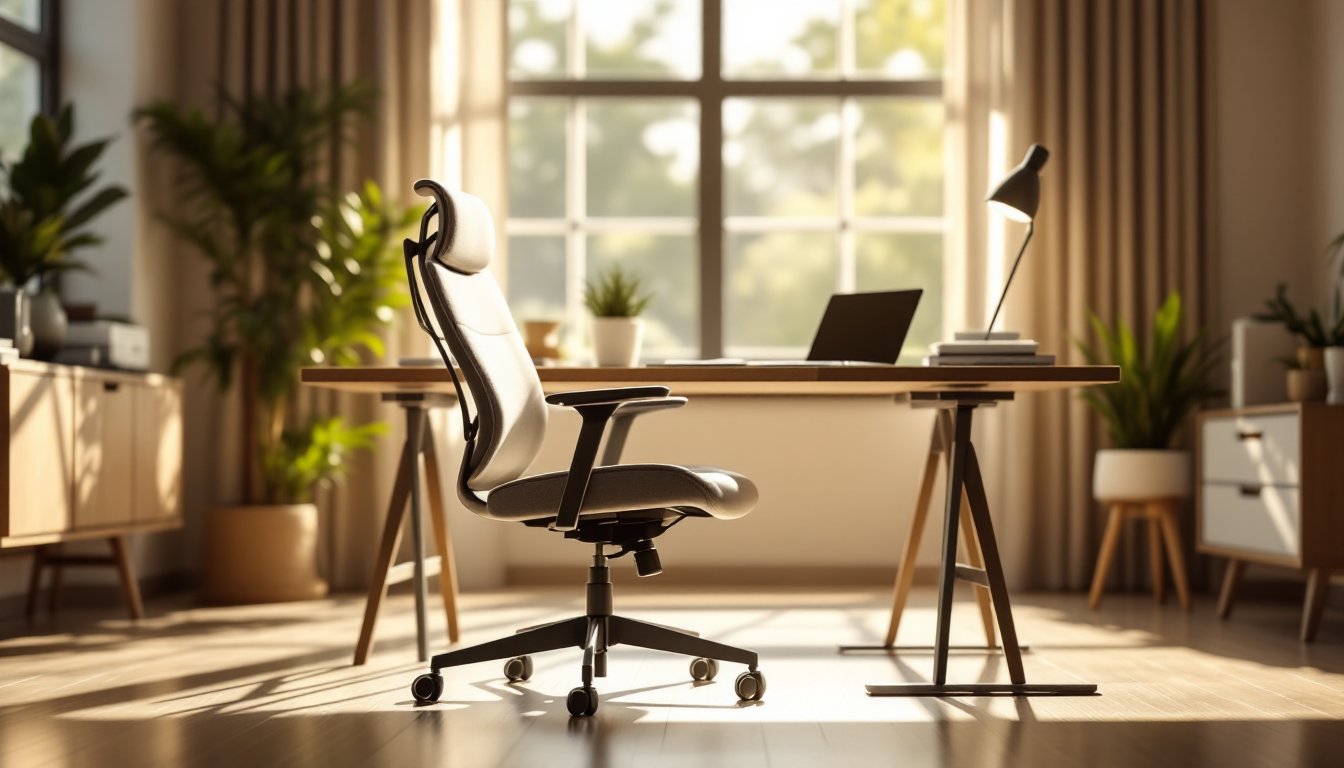
An office chair without wheels is a deliberate departure from the typical rolling desk chair, one that’s gaining traction among homeowners, freelancers, and remote workers who crave stability and intentional movement. Whether you’re setting up a home office, furnishing a reading nook, or building a dedicated workspace, a stationary office chair offers ergonomic support without the distraction of mobility. This guide walks you through the key reasons to choose a fixed-base chair, the main types available, and the features that matter most when making your selection.
Table of Contents
ToggleKey Takeaways
- An office chair without wheels eliminates distractions and reinforces posture discipline by preventing unconscious movement, making it ideal for deep, focused work.
- Fixed-base ergonomic chairs offer better stability, safety around children and pets, and require no wheel maintenance or floor protection compared to rolling models.
- Critical features when selecting a stationary office chair include seat height adjustment (4–6 inch range), lumbar support, adjustable armrests, and a five-point base for stability.
- Wooden and upholstered stationary chairs blend aesthetic appeal with function, making them suitable for home offices and living spaces while requiring proper seat height alignment to desks.
- Quality materials like high-density foam cushions (3–4 inches) and breathable fabrics enhance durability and comfort, with prices typically ranging from $150–$800 depending on design and construction.
- Sit in a stationary office chair for 5–10 minutes before purchasing to verify comfort, proper foot placement on the floor, and adequate back support in your actual workspace.
Why Choose A Stationary Office Chair Over Rolling Models
Rolling chairs serve a purpose in high-activity environments, think newsrooms or control centers where you need to pivot between multiple workstations. But for focused, deep work, a stationary office chair eliminates a hidden cost: distraction.
When your chair doesn’t move, your body settles. You’re not unconsciously rolling side to side, adjusting your seat position with a spin, or repositioning every few minutes. This stillness reinforces posture discipline and trains your muscles to stay engaged longer. Professionals working on detailed tasks, writers, designers, accountants, often report fewer postural micro-adjustments and less fatigue when using a fixed chair.
Stationary chairs also anchor your workspace psychologically. They signal intention: this is where work happens. Rolling chairs, by contrast, invite casual pivots and encourage you to swivel toward distractions. If you’re serious about deep work, a non-rolling model creates a subtle but real behavioral shift.
From a practical standpoint, stationary chairs typically offer better stability on hard floors. No wheels means no risk of rolling away, slipping on tile, or creeping forward under your desk over time. They’re also safer around young children or pets, no chance of unexpected movement. Installation is simpler: most stationary office chairs arrive fully assembled or require minimal setup. There’s no wheel maintenance, no floor mat needed, and no damage risk to hardwood or delicate flooring.
Types of Stationary Office Chairs to Consider
Fixed-Base Ergonomic Chairs
Fixed-base ergonomic chairs combine lumbar support, adjustable armrests, and height control without any rolling mechanism. Most use a solid pedestal base (typically a four- or five-point footprint) that keeps the chair anchored. Look for models with adjustable seat height, usually via a pneumatic cylinder or mechanical lever system, this lets you dial in the right height for your desk without adding rolling capability.
A strong lumbar curve supports the natural S-shape of your spine. If the chair doesn’t have built-in lumbar support, many allow you to add a memory foam pillow. Adjustable armrests, both height and width, reduce shoulder strain during long typing sessions. High-quality versions allow armrest height and angle adjustment, letting you position your elbows at desk level without hunching or reaching.
Seat depth and width matter. Your thighs should rest fully on the cushion without pressure behind your knees. A seat depth between 16 and 18 inches works for most adults. Tilt tension control (found on better models) lets you adjust how much effort it takes to recline, preventing unwanted tipping or creeping forward.
Brands and models vary, but solid ergonomic stationary chairs typically cost between $150 and $400 depending on material and adjustability. Budget options sacrifice armrest mobility or lumbar detail, while higher-end versions include memory foam, premium upholstery, and smoother adjustment mechanisms.
Wooden and Upholstered Options
Not every stationary office chair needs to look corporate. Wooden chairs with upholstered seats blend function with style, fitting seamlessly into living rooms, bedrooms, or stylish home offices. These often feature a hardwood frame, oak, walnut, or cherry, paired with cushioned seats covered in fabric or leather.
Traditional designs like Windsor chairs, farmhouse-style seats, and mid-century modern bases all work well for desk use. The key is ensuring the seat height aligns with your desk. A standard desk is 28 to 30 inches tall: your chair seat should be approximately 16 to 18 inches high to position your elbows at desk level. Many wooden office chairs allow custom cushion heights, or you can add a removable cushion to boost a lower-seated option.
Wooden stationary chairs sacrifice some ergonomic fine-tuning compared to task chairs, you won’t get adjustable lumbar support or reclining tilt. But they’re ideal if you already have a strong posture habit and primarily need a comfortable, stylish seat. Projects like DIY wooden office chair plans offer a great starting point if you’d rather build your own from scratch.
Upholstery quality affects both comfort and longevity. Performance fabrics resist staining and wear, making them smart for busy households. Genuine leather or high-thread-count fabrics elevate appearance but require more maintenance. Budget $200 to $800 for well-made wooden stationary office chairs, depending on wood type, cushion quality, and design.
Key Features to Look For When Buying
Seat Height Adjustment is non-negotiable. Even a stationary chair needs height flexibility to match your desk. Verify the adjustment range, look for at least a 4- to 6-inch range to accommodate different body types and desk heights.
Lumbar Support prevents lower back fatigue during long hours. Check whether support is built-in, adjustable, or if you’ll need to add an aftermarket lumbar pillow. The curve should support the natural inward bend of your lower spine, not flatten it.
Armrest Design and Adjustability matter more than you’d think. Fixed armrests on budget chairs often sit too high or too low for your desk height. Adjustable armrests let your shoulders relax and your elbows float at desk level, reducing neck and shoulder strain.
Material Quality affects both comfort and durability. High-density foam cushions (at least 3 to 4 inches thick) hold their shape longer than cheap padding that compresses within months. Breathable fabrics like mesh reduce heat buildup during summer: heavy fabrics feel luxurious but trap warmth. Leather requires conditioning: fabric needs occasional vacuuming and spot cleaning.
Tilt and Recline Control (if available) lets you lean back without the chair sliding or tipping. A tilt-lock feature prevents unwanted rocking. Not all stationary chairs include this: simpler models are fixed upright.
Base Stability is critical. A five-point or broader base provides better support than a three-point footprint. For wooden chairs, check that the frame doesn’t wobble. For pedestal chairs, verify the base feels weighted and solid.
When shopping, sit in the chair for at least 5 to 10 minutes if possible. Your feet should rest flat on the floor, thighs parallel to the ground, and back supported without forcing an awkward posture. If buying online, check return policies, a 30-day trial lets you verify comfort in your actual workspace.
Conclusion
An office chair without wheels isn’t a compromise: it’s a deliberate choice for stability, focus, and intentional posture. Whether you opt for an ergonomic task chair, a stylish wooden seat, or something in between, prioritize seat height, lumbar support, and stability. The right stationary chair encourages better work habits and reduces the fatigue that accumulates over hours at your desk. Test before committing, choose quality materials over shortcuts, and remember that your workspace should reflect how you actually work.