A clean dishwasher filter is the difference between spotless dishes and cloudy glass. If your LG dishwasher isn’t performing like it used to, chances are the filter needs attention. The filter system in LG dishwashers is built to trap food particles, grease, and debris before they recirculate onto your clean dishes. Unlike some older dishwasher designs, modern LG models rely on you to maintain the filter regularly, it won’t do the job on its own. This guide walks through how the filter works, when to clean or replace it, and how to troubleshoot common issues without calling a technician.
Table of Contents
ToggleKey Takeaways
- LG dishwasher filters use a two-stage system (upper and lower filters) designed to trap food particles and grease, but require regular manual cleaning since the self-cleaning cycle alone cannot remove solid debris.
- Clean your LG dishwasher filter every one to two weeks if used regularly, and immediately if you notice spotty dishes, water pooling, longer cycle times, or musty odors—signs the filter needs attention.
- The LG dishwasher filter is reusable for years if properly maintained, but replacement becomes necessary when the mesh develops tears, cracks, or holes, typically costing $30–$75.
- Follow a simple seven-step cleaning process: stop the cycle, remove the filter by twisting counterclockwise, rinse under warm water, soak for tough buildup, gently scrub with a soft brush, rinse again, and reinstall by twisting clockwise until snug.
- If problems persist after cleaning the filter, check drain holes for grease blockages, verify the filter is seated correctly, inspect the secondary drain filter, and consider adding rinse aid to eliminate spotting issues.
- Regular LG dishwasher filter maintenance prevents pump strain, water waste, and appliance deterioration while keeping dishes spotless and the unit running efficiently for years.
Understanding Your LG Dishwasher Filter System
Your LG dishwasher typically uses a two-stage filter setup: an upper filter and a lower (primary) filter. The upper filter catches larger food particles before they reach the lower filter chamber. The lower filter is fine-mesh and does the heavy lifting, trapping smaller debris and grease. This design keeps dirty water from pooling at the bottom of the tub and recirculating onto your dishes.
LG calls this a “self-cleaning” system in many models, but that’s a bit misleading. The self-cleaning cycle heats water to break down grease, but it doesn’t physically pull out solid food bits, that’s your job. Think of it like a car air filter: heating helps, but you still need to inspect and clean it.
How LG Filters Work
Water enters the filter chamber from the pump and flows through the mesh. The mesh catches particles while clean water continues to the spray arms. Over time, debris builds up on the mesh surface, restricting water flow. When flow slows, your dishes don’t rinse as well, spots appear, and the cycle takes longer. The filter also has small drain holes that let dirty water exit the chamber, if these clog with grease, water sits and smells. Dishwasher filters in LG models are typically located at the bottom of the tub, usually behind a removable cap or in a cylindrical housing you twist counterclockwise to release.
When to Clean and Replace Your LG Filter
Most LG dishwashers need filter cleaning every one to two weeks if you run them regularly. If you have a family of four and run the dishwasher daily, weekly cleaning is safer. Check the filter every time you notice:
- Spots or film on glasses and dishes after a cycle
- Water pooling at the bottom of the tub
- Longer cycle times than normal
- Visible food debris stuck to the filter mesh
- A musty or sour smell inside the dishwasher
Some LG models include a filter cleaning indicator light on the control panel, if yours has one, it’ll alert you when the filter needs attention. Don’t ignore it: waiting only makes the job harder.
About replacement: Most LG filter cartridges are not single-use disposables. You clean and reuse the same filter for years. But, if the mesh develops tears, cracks, or holes, or if it’s become brittle and won’t rinse clean, replacement is necessary. LG sells replacement filter kits specific to your model, check your user manual or the LG website for the part number. A replacement filter typically costs $30–$75 depending on the model. That’s far cheaper than a service call or running the dishwasher with a compromised filter.
Step-by-Step Guide to Cleaning Your LG Dishwasher Filter
Tools and Materials You’ll Need
- Soft-bristled brush (old toothbrush works)
- Small bowl or cup
- Hot water and dish soap
- Clean towel or lint-free cloth
- Optional: white vinegar or dishwasher cleaner
If you’re dealing with stubborn grease buildup, a damp microfiber cloth or soft bottle brush can help without damaging the mesh.
Step 1: Stop the cycle and let the tub cool. Open the dishwasher and wait a few minutes if it just finished a hot wash. The filter will be hot.
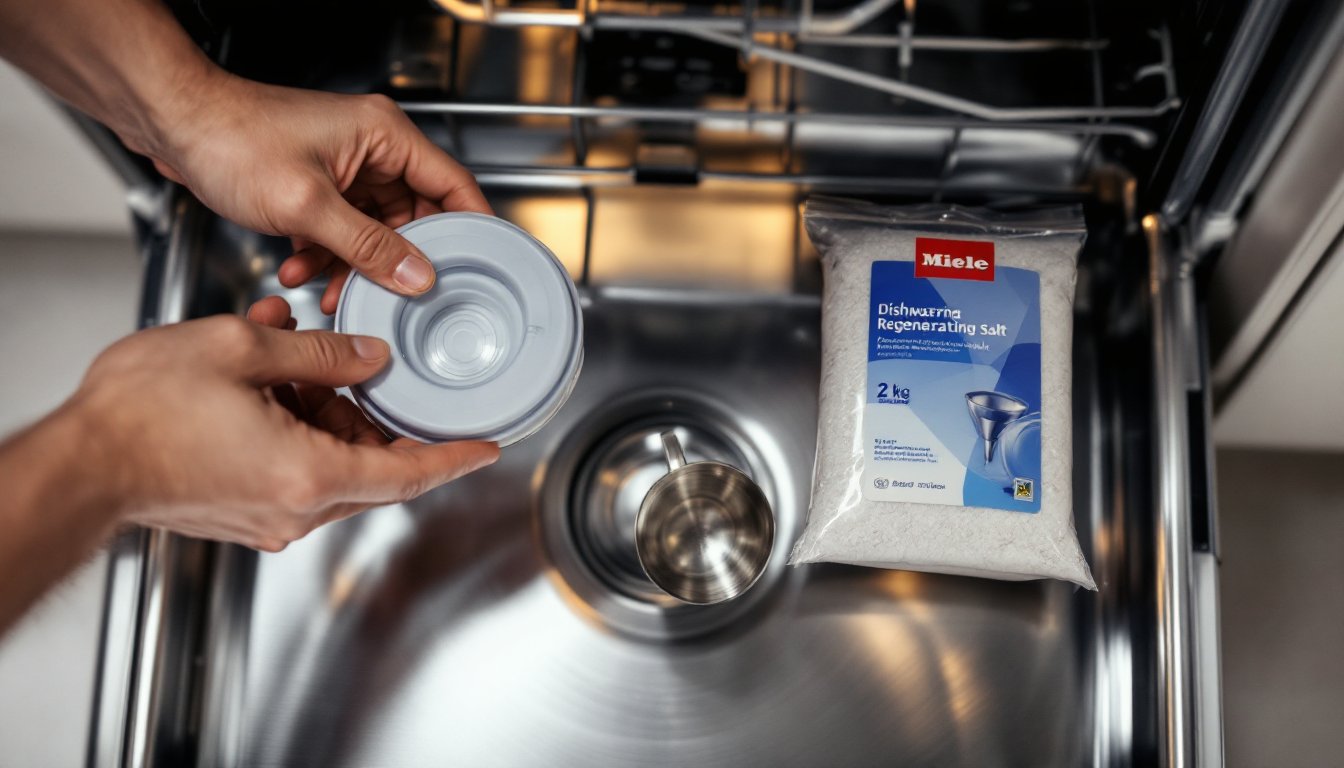
Step 2: Remove the filter. Most LG filters sit at the bottom center of the tub. You’ll see a cylindrical or cartridge-style filter housing. Twist it counterclockwise about a quarter-turn and lift it straight up. Some models have a separate cap, remove that first. Set the filter on a clean surface.
Step 3: Rinse under warm running water. Hold the filter under the faucet with the mesh facing up. Run warm water over it to flush out loose debris. Use your fingers to gently rub the mesh surface, don’t scrub hard or poke the mesh, as you can tear it.
Step 4: Soak for tough buildup. If food or grease is stuck, fill a small bowl with hot water and a drop of dish soap. Place the filter in the bowl and let it soak for 15–20 minutes. This softens dried-on debris.
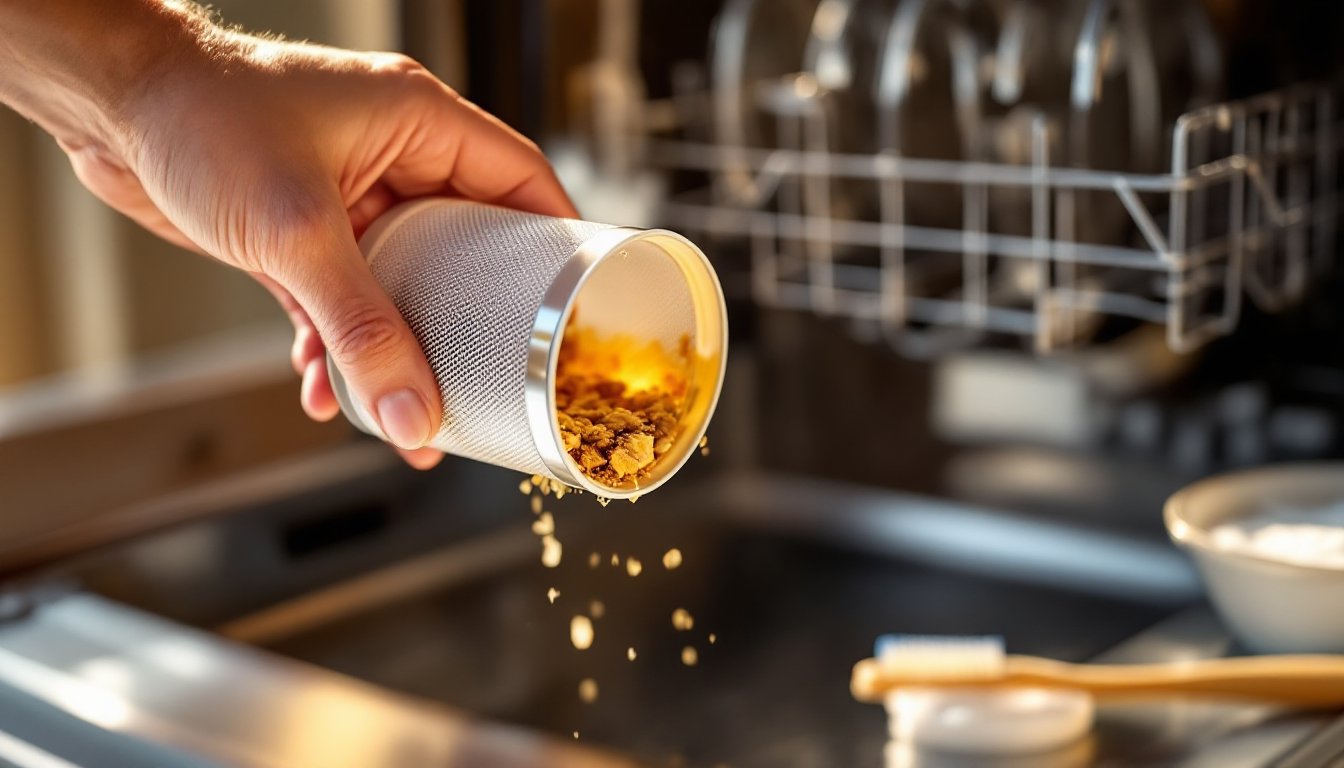
Step 5: Scrub gently. Using a soft-bristled brush (an old toothbrush is perfect), gently scrub the mesh in circular motions. Work on both sides. Don’t use abrasive scrubbers or steel wool, you’ll damage the mesh.
Step 6: Final rinse and dry. Rinse the filter one more time under warm running water until the water runs clear. Pat it dry with a clean towel.
Step 7: Reinstall the filter. Place the filter back in its housing and twist clockwise until it stops, don’t force it. If there’s a separate cap, replace that. Make sure everything sits flush: a loose filter won’t seal properly. Recent home maintenance checklists recommend checking filter seals quarterly to prevent leaks.
Troubleshooting Common LG Filter Problems
Water pooling at the bottom and dishes not rinsing clean. The first culprit is always the filter. Check for a clogged filter or verify it’s seated properly. If you just cleaned the filter and it still pools, check the drain holes at the base of the filter cup, sometimes grease plugs them. Soak the filter in hot water and vinegar for 30 minutes, then gently poke the drain holes with a toothpick to clear them. Don’t use a metal pick, which can enlarge or damage the holes.
Filter won’t come out or is stuck. Don’t force it, you’ll crack the housing. Apply warm water around the base to soften dried debris, then try again. If it’s genuinely stuck, the filter may have warped from heat. Contact LG support or order a replacement: forcing it will only worsen damage.
Musty smell even after cleaning. A clean filter that still smells means the smell is elsewhere. Run a cleaning cycle with white vinegar or a commercial dishwasher cleaning product to freshen the tub. Also check the drain filter behind the filter cup, some LG models have a secondary mesh that traps lint. Clean that too.
Cracks or tears in the mesh. You can’t repair the mesh: replacement is the only solution. A damaged filter defeats its purpose and risks particles getting through. Order the correct replacement cartridge from LG’s parts website or an authorized dealer. Note the model number from your dishwasher (usually on a sticker inside the door edge) before ordering.
Dishes still spotty after cleaning the filter. If the filter is clean and seated correctly, the issue may be your rinse aid. Check the rinse aid dispenser and refill if needed, this prevents spots and buildup on dishes. Low or expired rinse aid is often mistaken for a filter problem. Also, avoid overloading the dishwasher: cramming dishes too tightly prevents water from reaching everything. Many top-rated dishwashers include spray guides that show proper loading patterns.
Conclusion
Keeping your LG dishwasher filter clean is a five-minute job that saves money and frustration. A clogged filter doesn’t just affect drying: it strains your pump, wastes water, and shortens the appliance’s lifespan. Check the filter weekly if you run the dishwasher often, and don’t ignore spots or slow performance, those are always the filter’s cry for help. When in doubt, clean it more often: you can’t over-maintain a filter. A clean filter keeps your dishes spotless and your dishwasher running quietly and efficiently for years to come.