Life and style at home strategies help people create spaces that feel both functional and personal. A balanced living space supports daily routines, reduces stress, and reflects individual taste. Many homeowners struggle to blend practicality with aesthetics. They want rooms that work hard and look good doing it.
The right approach combines smart organization, personal touches, and sustainable habits. These life and style at home strategies don’t require expensive renovations or professional designers. Small, intentional changes make a significant difference. This guide covers practical methods to transform any home into a space that supports well-being and personal expression.
Table of Contents
ToggleKey Takeaways
- Life and style at home strategies focus on creating functional zones, personal touches, and sustainable habits without expensive renovations.
- Use furniture placement and rugs to define separate activity zones, keeping at least 30 inches of walking space in high-traffic areas.
- Build a cohesive look by choosing two or three main colors that reflect your personal preferences rather than following trends.
- Establish daily reset rituals—spending just 15 minutes each evening returning items to their spots prevents clutter from accumulating.
- Upgrade lighting with layered lamps at various heights and choose bulb temperatures that match each room’s purpose for improved comfort.
- Prioritize bedroom investments like quality mattresses and blackout curtains since sleep directly impacts overall well-being.
Creating Functional Zones for Daily Life
Every home benefits from clearly defined zones. A functional zone separates activities and reduces mental clutter. Life and style at home strategies start with understanding how each room serves its occupants.
Identify Primary Activities
List the main activities that happen in each space. A living room might serve as an entertainment area, a reading nook, and a work-from-home spot. A bedroom should prioritize rest but might also need a small desk or vanity area.
Once activities are identified, assign specific areas for each one. This prevents overlap and keeps spaces organized. A corner with good lighting becomes the reading spot. A table near an outlet becomes the charging station.
Use Furniture to Define Boundaries
Furniture placement creates invisible walls between zones. A sofa facing away from a dining table separates eating from lounging. A bookshelf can divide a large room into two distinct areas without blocking light.
Rugs also work well for this purpose. Place different rugs under different zones. The visual separation helps the brain recognize when it’s time to switch tasks.
Consider Traffic Flow
People should move easily through each zone. Leave clear pathways between furniture pieces. A good rule: maintain at least 30 inches of walking space in high-traffic areas. Life and style at home strategies fail when movement feels restricted or awkward.
Incorporating Personal Style Into Your Home
A home should reflect who lives there. Generic decor creates forgettable spaces. Personal style transforms a house into a true home.
Start With What You Love
Gather items that spark genuine joy. Travel souvenirs, inherited furniture, artwork from local artists, or collections built over years all add character. These pieces tell a story. They make conversations happen.
Don’t worry about matching everything perfectly. Curated eclecticism often looks more interesting than catalog-perfect rooms. A mid-century modern chair can sit beside a rustic wooden table. The contrast creates visual interest.
Choose a Color Foundation
Select two or three main colors that appear throughout the home. This creates cohesion without monotony. Neutral walls allow colorful accessories to stand out. Bold wall colors require more restrained decor choices.
Life and style at home strategies work best when color choices reflect personal preferences rather than trends. Someone who loves deep blues and greens should use those colors freely, regardless of what’s currently popular.
Display Collections Intentionally
Collections gain impact through grouping. Scatter ten small plants around a room and they disappear. Group them on one shelf and they become a focal point. The same applies to books, pottery, photographs, or any collected items.
Rotate displays seasonally. This keeps spaces feeling fresh without buying new items. Store some pieces and swap them in later. The home evolves while the budget stays intact.
Building Sustainable Home Routines
Beautiful spaces require maintenance. Life and style at home strategies include habits that keep things running smoothly.
Establish Daily Reset Rituals
A quick evening reset prevents chaos from accumulating. Spend 15 minutes before bed returning items to their designated spots. Wipe down kitchen counters. Fluff throw pillows. These small acts make mornings calmer.
Morning rituals matter too. Making the bed immediately sets a productive tone for the day. Opening curtains brings in natural light and energy.
Assign Homes for Everything
Clutter happens when items lack designated spots. Every object needs a home. Keys go in the bowl by the door. Mail lands in the sorting tray. Remote controls stay in the basket on the coffee table.
When shopping for new items, consider storage before purchasing. Ask: where will this live? If there’s no clear answer, reconsider the purchase.
Schedule Regular Maintenance
Some tasks need weekly or monthly attention. Create a simple schedule. Mondays for vacuuming. First Saturday of each month for deep cleaning the bathroom. Third week for washing curtains or rotating mattresses.
Writing these tasks down removes the mental burden of remembering. Life and style at home strategies succeed through consistent action, not occasional bursts of motivation.
Simple Upgrades for Comfort and Wellness
Physical comfort directly affects quality of life at home. Small upgrades create noticeable improvements in daily well-being.
Improve Lighting Conditions
Harsh overhead lighting creates unflattering, uncomfortable spaces. Add table lamps and floor lamps at various heights. This layered lighting approach allows adjustment based on activity and mood.
Consider bulb temperature as well. Warm bulbs (2700K-3000K) suit bedrooms and living rooms. Cooler bulbs (4000K-5000K) work better in kitchens and home offices where alertness matters.
Invest in Quality Sleep Essentials
People spend roughly one-third of their lives in bed. Quality mattresses and pillows aren’t luxury items, they’re health investments. Good bedding regulates temperature and supports proper alignment.
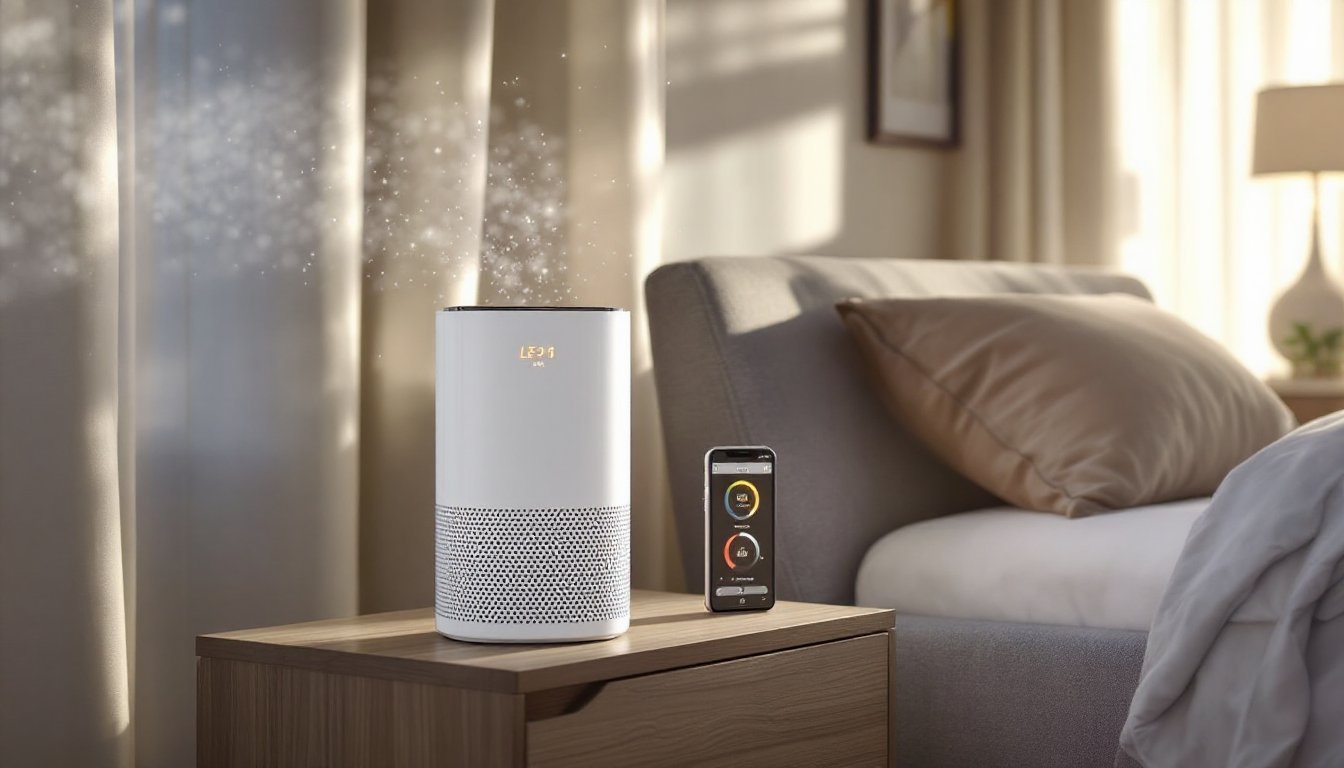
Blackout curtains improve sleep quality dramatically. They block street lights and early morning sun. Life and style at home strategies should always prioritize the bedroom since sleep affects everything else.
Add Sensory Elements
Scent influences mood powerfully. Candles, diffusers, or fresh flowers bring pleasant aromas into spaces. Lavender promotes relaxation. Citrus scents boost energy. Choose scents that match each room’s purpose.
Texture matters too. Soft throws on sofas invite sitting down. Plush bath mats make stepping out of the shower pleasant. These small tactile pleasures add up to a more comfortable home experience.