Life & style at home trends 2026 reveal a clear shift toward comfort, purpose, and sustainability. Homeowners want spaces that feel calm, function well, and reflect their values. The coming year brings fresh ideas about how people design, organize, and live in their homes.
This guide covers the key life & style at home trends 2026 will bring. From quiet luxury to smart technology, these changes will shape how homes look and feel. Each trend responds to real needs, less clutter, more meaning, and better daily routines.
Table of Contents
ToggleKey Takeaways
- Life & style at home trends 2026 prioritize quiet luxury, sustainability, and wellness-centered living spaces.
- Multi-functional furniture and adaptable rooms help homeowners maximize space while reducing unnecessary consumption.
- Sustainable choices like recycled materials, vintage furniture, and local sourcing become essential rather than optional.
- Wellness-focused design features—including better air quality, natural light, and dedicated relaxation zones—support both physical and mental health.
- Smart home technology in 2026 works seamlessly in the background, learning household preferences without demanding constant attention.
- Intentional living drives purchasing decisions, with homeowners choosing fewer, higher-quality items that offer lasting value.
Embracing Quiet Luxury and Intentional Living
Quiet luxury defines life & style at home trends 2026. This approach favors quality over quantity. Homeowners choose fewer items, but each piece matters.
The quiet luxury aesthetic focuses on natural materials like linen, wool, and solid wood. Colors stay neutral, think soft whites, warm beiges, and gentle grays. These choices create spaces that feel expensive without being flashy.
Intentional living drives this trend. People ask themselves what they actually need before buying anything new. A single well-made chair beats three cheap ones. One beautiful vase replaces a shelf of random decor.
This mindset extends to every room. Kitchens feature simple countertops with minimal appliances on display. Bedrooms hold only essential furniture. Living rooms avoid visual clutter.
The result? Homes that feel peaceful and purposeful. Visitors notice the calm atmosphere before they notice specific items. That’s the goal.
Expect to see more investment in craftsmanship during 2026. Handmade ceramics, artisan textiles, and custom woodwork will gain popularity. These pieces tell stories and last for years.
Sustainable Home Design Takes Center Stage
Sustainability moves from nice-to-have to must-have in 2026. Life & style at home trends 2026 show homeowners demanding eco-friendly options across every category.
Recycled materials appear in unexpected places. Countertops made from recycled glass. Flooring created from reclaimed wood. Insulation produced from recycled denim. These products perform well and reduce waste.
Energy efficiency shapes purchasing decisions. LED lighting becomes standard. Smart thermostats learn household patterns and cut energy use. Solar panels grow more affordable and attractive.
Secondhand and vintage furniture gains respect. Buying used isn’t just budget-friendly, it’s environmentally responsible. Many homeowners now prefer a vintage dresser over a new one from a big-box store.
Indoor plants remain popular, but the approach changes. People choose plants that purify air and require less water. Drought-resistant varieties suit busy schedules and conservation goals.
Local sourcing matters more than ever. Furniture made nearby reduces shipping emissions. Regional artisans benefit from increased demand. Communities grow stronger through these connections.
Brands that can’t prove their sustainability claims will lose customers. Greenwashing won’t work in 2026. Shoppers do their research and expect transparency.
The Rise of Multi-Functional Spaces
Homes work harder in 2026. Life & style at home trends 2026 emphasize rooms that serve multiple purposes throughout the day.
The home office evolved during recent years. Now it integrates seamlessly with other spaces. A dining table becomes a workspace by morning. A guest room doubles as an exercise area. A living room transforms into a movie theater at night.
Furniture adapts to support these shifts. Murphy beds fold into walls. Desks hide inside cabinets. Coffee tables rise to dining height. Storage ottomans hold blankets, books, and workout gear.
Smaller homes especially benefit from this thinking. Square footage stays limited in many markets. Creative design makes modest spaces feel larger and more useful.
Zoning helps define different activities within open floor plans. Rugs mark conversation areas. Lighting changes signal transitions between work and relaxation. Room dividers create privacy without permanent walls.
Kids’ rooms follow the same logic. Study zones, play areas, and sleep spaces coexist in single rooms. Modular furniture grows with children and adjusts to changing needs.
This trend saves money and reduces consumption. Why buy a separate guest bed when your sofa converts? Why dedicate an entire room to occasional visitors?
Wellness-Centered Home Environments
Health influences every aspect of life & style at home trends 2026. Homes become active participants in physical and mental wellness.
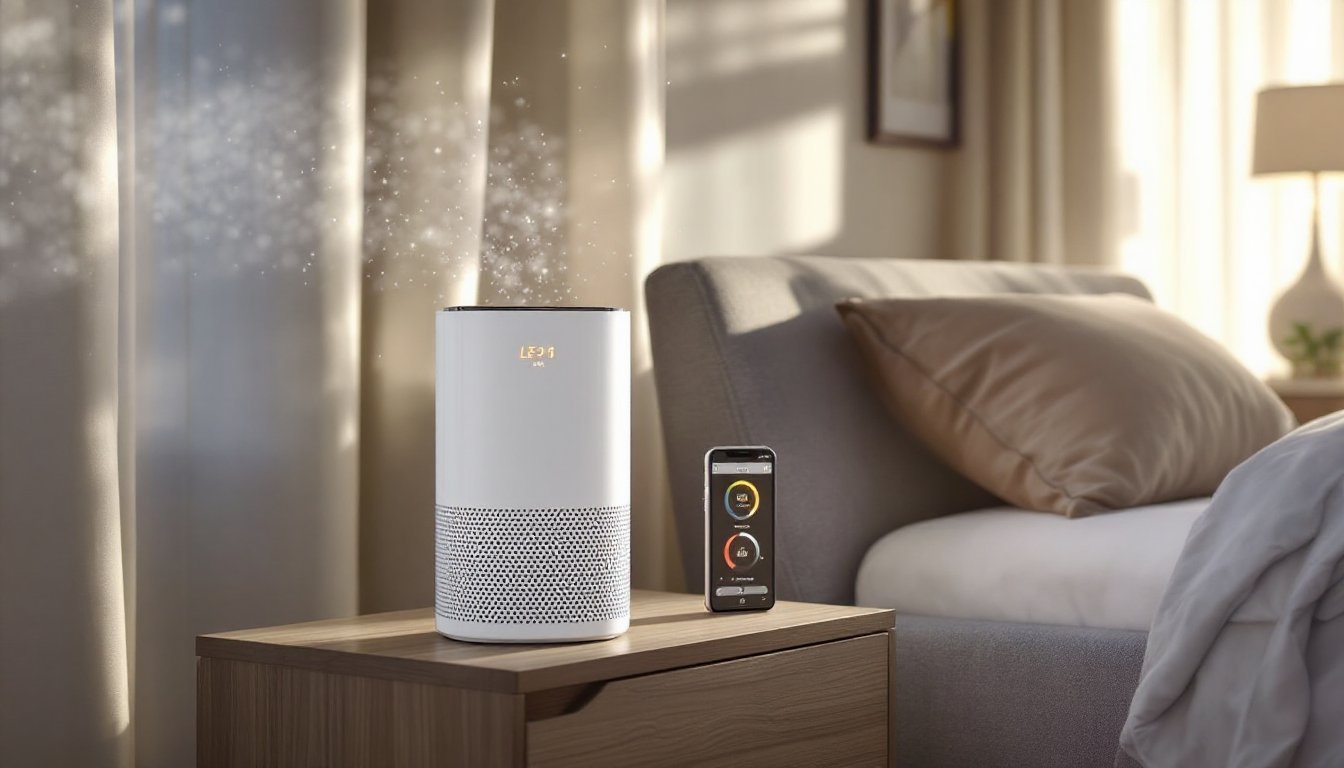
Air quality gets serious attention. HEPA filters remove allergens and pollutants. Humidity monitors prevent mold growth. Ventilation systems bring fresh air inside without wasting energy.
Natural light takes priority in design choices. Larger windows, skylights, and light tubes brighten interior spaces. Studies link sunlight exposure to better sleep, improved mood, and higher productivity.
Dedicated relaxation zones appear in more homes. These aren’t just spa bathrooms, though those remain popular. Meditation corners, reading nooks, and quiet spaces for reflection become standard features.
Sleep optimization shapes bedroom design. Blackout curtains block light completely. Mattresses and pillows receive more investment. Colors and textures promote rest rather than stimulation.
Home gyms continue their growth. Even small apartments find room for yoga mats, resistance bands, and compact equipment. The convenience of exercising at home beats commuting to a gym.
Biophilic design connects indoor spaces with nature. Large plants, natural materials, and views of greenery reduce stress. Water features add calming sounds. These elements remind residents of the outdoor world.
Technology That Blends Into Daily Life
Smart home technology matures in 2026. Life & style at home trends 2026 favor tech that works quietly in the background.
Voice assistants handle routine tasks without constant attention. Lights adjust automatically based on time and activity. Thermostats respond to occupancy patterns. Security systems monitor without requiring daily check-ins.
Invisible charging surfaces power devices throughout the home. Kitchen counters charge phones. Nightstands power tablets. No more tangled cords or hunting for outlets.
AI learns household preferences over time. Coffee makers start brewing when morning alarms go off. Blinds open gradually to simulate sunrise. Refrigerators track inventory and suggest shopping lists.
Privacy concerns shape technology choices. Many homeowners prefer local processing over cloud-based systems. Data stays in the home rather than traveling to remote servers.
Technology also supports aging in place. Sensors detect falls. Medicine reminders ensure doses aren’t missed. Video calls connect family members across distances. These features help people stay independent longer.
The best smart home tech disappears into daily routines. Residents forget it exists until something needs adjustment. That’s the ultimate goal, helpful tools that don’t demand attention.