A Maytag dishwasher not draining is one of those issues that catches homeowners off guard, you open the door to stale-smelling water pooling at the bottom, and suddenly you’re wondering whether it’s time to replace the whole unit. The good news: most drainage problems are fixable without calling a service tech, and many can be solved in under an hour. The culprit is usually a clog somewhere in the drainage system, not a failed pump. This guide walks you through the most common causes and the straightforward fixes that get water moving again.
Table of Contents
ToggleKey Takeaways
- A Maytag dishwasher not draining is usually caused by a clogged filter, kinked hose, or blocked pump—most fixes take under an hour without professional help.
- Always start troubleshooting by removing and cleaning the filter at the bottom of the tub, as this is the most common culprit and the easiest fix.
- Inspect the drain hose for kinks, blockages, or cracks, and ensure it slopes downward to prevent water from pooling and creating a siphon effect.
- Check your sink drain and garbage disposal for clogs, as a slow-draining sink is often mistaken for a dishwasher problem and prevents proper drainage.
- Call a professional service technician if the pump runs without moving water, you spot electrical issues, the impeller is seized, or water pools under the tub—these indicate internal damage beyond DIY repair.
- Prevent future drainage issues by rinsing dishes before loading, replacing worn hoses every few years, and checking the filter monthly during heavy use.
Check and Clean the Filter
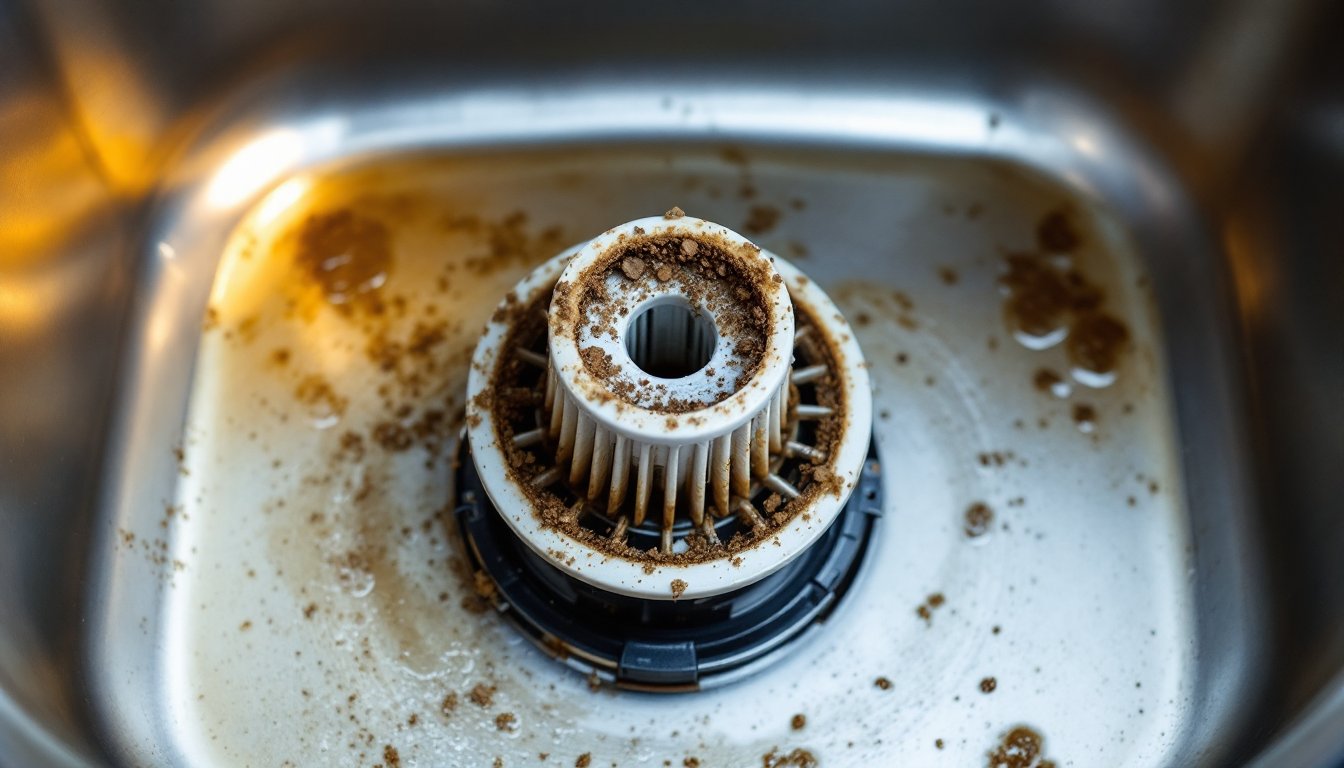
Start here. Every Maytag dishwasher has a filter, usually a cylindrical or flat-screen assembly at the bottom of the tub, and standing water is a sign it needs attention.
What to do:
- Remove the bottom rack and locate the filter (consult your manual if unsure).
- Lift or unscrew the filter according to your model’s design.
- Rinse it under running water and use a soft brush or old toothbrush to scrub away food debris and grease buildup.
- Check the filter housing underneath for trapped food particles or sludge, wipe it clean with a damp cloth.
- Reinstall the filter firmly and run a test cycle.
Don’t skip this step because a clogged filter backs up water faster than you’d think. Some models have a secondary fine filter too: if your first cycle didn’t drain, check for that and clean it as well. Once reassembled, fill the tub a couple inches with hot water and manually drain it using the filter area, if water doesn’t flow freely, you’ve found your blockage.
Inspect the Drain Hose for Kinks or Blockages
The drain hose, a rubber tube that runs from your dishwasher to the sink drain or garbage disposal, can get kinked, crushed, or stuffed with debris.
What to do:
- Turn off power to the dishwasher and shut off the water supply.
- Pull the dishwasher out slightly so you can access the back without fully disconnecting it.
- Locate the drain hose where it exits the unit (usually a flexible ribbed tube roughly 0.75 inches in diameter).
- Inspect the entire length for kinks, pinches, or visible blockages.
- If kinked, carefully straighten it: if crushed, you may need to replace it.
- If the hose looks clear, disconnect it at both ends and flush it with hot water from a pitcher or use a wet/dry vacuum to suction debris out.
- Reattach securely and test.
A hose should drain downward with a gentle slope: if it dips below the outlet, water can pool and create a siphon effect that prevents draining. Many drain hoses connect to a standpipe or sink tailpiece, make sure the connection is airtight and not cracked. While you’re back there, confirm the drain line isn’t pinched between the dishwasher and cabinet. According to home maintenance checklists from Today’s Homeowner, checking hose connections is one of the most overlooked preventive measures.
Clear the Drain Pump and Impeller
The drain pump sits inside your dishwasher and forces water out through the hose. If something’s jammed the impeller (the spinning wheel inside), the pump won’t work at all.
What to do:
- Power off and unplug the dishwasher.
- Remove the bottom rack and filter assembly as described above.
- Feel around the filter housing opening with your fingers, look for small objects (bits of glass, metal shards, plastic pieces) and remove them carefully.
- Once cleared, manually rotate the impeller underneath the filter housing if accessible (check your manual for access points).
- If the impeller doesn’t spin freely, something is blocking it, investigate further before reassembling.
- Reinstall the filter, plug in, and run a test.
Wear nitrile gloves and watch for sharp edges inside the pump housing. Glass fragments from a broken dish or chunky food scraps can jam the impeller instantly. Some Maytag models have a drain pump cover that unscrews for easier access: consult your manual. If the impeller rotates freely but the pump still makes noise without draining, the pump motor itself may be failing, that’s a professional repair.
Verify the Drain Valve Is Functioning Properly
The drain valve is an electronically controlled flap that opens to let water out and closes to keep it in. If it sticks closed, nothing drains.
What to do:
- Power off the dishwasher and locate the drain valve (usually near the pump, visible from underneath or through a service panel, your manual is essential here).
- Look for a solenoid-operated valve: it’s often a small cylinder with wires attached.
- Listen for a clicking sound when you manually activate a drain cycle, that click means the solenoid is firing.
- If there’s no click, the valve coil may be dead.
- Check for visible mineral deposits or food debris around the valve seat and gently flush with a small amount of water.
- If it’s frozen shut, running a hot water cycle may free it up: if still stuck, it likely needs replacement.
Unlike the filter and hose, a faulty drain valve usually requires professional service or advanced DIY comfort, you’ll need to access electrical components. If you reach this step and aren’t confident with minor electrical troubleshooting, it’s time to call in a tech. Note that some models have a manual drain option: check your manual for a drain plug or test valve you can open to confirm water can flow when the solenoid isn’t involved.
Check Your Sink Drain and Garbage Disposal
Sometimes the problem isn’t your dishwasher, it’s where the water’s trying to go. If your sink drain or garbage disposal is clogged, the dishwasher can’t push water through.
What to do:
- Fill your kitchen sink with a few inches of water and let it drain. Does it go down slowly or back up?
- If slow or blocked, use a plunger on the sink drain or remove the P-trap underneath and clear it manually (have a bucket ready for old water).
- If you have a garbage disposal, run it with hot water to clear any debris. A jammed disposal can block the entire line.
- Check that the drain hose from your dishwasher connects above the trap or to the disposal inlet, never below the water line, or you risk a siphon trap.
- Once the sink drains freely, run your dishwasher again.
If you disconnect the P-trap, wear gloves and have a bucket underneath. According to product reviews for home appliances at Good Housekeeping, a slow-draining sink is the number-one culprit when people blame their dishwashers. Also confirm your disposal isn’t in its “always on” state, some older models require manual grinding before draining water.
When to Call a Professional
If you’ve worked through the steps above and water is still pooling, it’s time to bring in a service technician. Here’s when to stop and dial:
- The pump runs but no water moves and you’ve confirmed the hose is clear and the sink drains fine. The pump or valve internals are likely damaged.
- Electrical issues: If you spot burned components, a burnt smell, or need to troubleshoot the control board, that’s professional-grade work.
- The motor is seized or the impeller won’t budge even after you’ve cleared visible debris.
- Your dishwasher is under warranty. Opening it further or swapping parts yourself may void coverage: let the manufacturer handle it.
- You find water pooling under the tub on the cabinet floor. This suggests an internal leak, the tub seal or a cracked component needs replacement.
Reputable service costs typically range from $150 to $400 for a technician visit plus parts, depending on your region and what needs fixing. According to guidance from home renovation tutorials at This Old House, knowing when to DIY and when to call a pro is the hallmark of smart homeowners. A clogged filter or kinked hose is a 15-minute fix: a dead solenoid valve is not.
Conclusion
A Maytag dishwasher that won’t drain feels like a crisis, but it’s almost always a straightforward problem hiding in plain sight. Start with the filter, move to the hose, then check the pump and sink drain. Most of the time, you’ll catch it in the first two steps and be running clean cycles again by dinner. Keep your dishwasher draining smoothly by rinsing dishes before loading, replacing worn hoses every few years, and checking the filter monthly during heavy use. When something stumps you, trust your instincts and call a pro rather than guessing.