Life & style at home describes how people design, organize, and experience their living spaces. It combines interior choices with daily habits to create a place that feels both functional and personal. This concept goes beyond picking furniture or paint colors. It reflects values, priorities, and the way someone wants to feel when they walk through their door.
Many homeowners focus only on aesthetics. But true home style connects appearance with purpose. A well-designed space supports productivity, relaxation, and connection with others. This guide breaks down the core elements of life & style at home and offers practical steps to build a living environment that works for any lifestyle.
Table of Contents
ToggleKey Takeaways
- Life & style at home combines interior design with daily habits to create spaces that are both functional and personally meaningful.
- Unlike traditional interior design, this approach considers how you move through rooms, what activities happen where, and how spaces transition throughout the day.
- Two main categories shape your home style: the physical environment (colors, lighting, textures, organization) and daily behaviors (morning routines, mealtime rituals, evening wind-down habits).
- Develop your personal home style by documenting current habits, gathering inspiration, prioritizing high-impact rooms, and testing ideas before committing.
- A well-cultivated life & style at home improves mental health, boosts productivity, strengthens relationships, and can increase your property’s financial value.
- Building lasting home style takes patience—slow, intentional decisions create spaces that feel meaningful rather than quickly dated.
Understanding the Life & Style at Home Concept
Life & style at home represents the intersection of visual design and personal living patterns. It answers a simple question: how do you want your home to look and function?
This concept started gaining attention as people spent more time indoors. Remote work, family activities, and self-care routines all happen within the same walls. A home now serves as an office, gym, restaurant, and retreat. Style at home addresses these multiple roles.
The idea differs from traditional interior design. Standard design focuses on visual appeal. Life & style at home adds behavior and routine into the mix. It considers how someone moves through a room, what activities happen where, and how spaces transition throughout the day.
For example, a living room might need to function as a workspace during morning hours and transform into a relaxation zone by evening. Life & style at home planning accounts for these shifts. It creates systems, storage solutions, lighting options, furniture arrangements, that support multiple uses without visual clutter.
This approach also prioritizes personal expression. Mass-produced decor looks fine, but it lacks character. A genuine home style includes items with meaning: family photos, travel souvenirs, handmade objects, inherited pieces. These details tell a story and make a space feel inhabited rather than staged.
Key Elements of Home Life & Style
Two main categories shape life & style at home: the physical environment and daily behaviors. Both require attention for a space to feel complete.
Interior Design and Decor
The visual layer creates first impressions. Color palettes set mood, cool blues promote calm, warm yellows energize, neutrals provide flexibility. Furniture selection balances comfort with proportion. Oversized sofas overwhelm small rooms. Tiny accent chairs disappear in large spaces.
Lighting plays a critical role in home style. Natural light influences paint color choices and furniture placement. Artificial lighting needs variety: overhead fixtures for general illumination, task lamps for work areas, ambient sources for evening relaxation. Smart bulbs allow color temperature adjustments throughout the day.
Texture adds depth that photos rarely capture. Smooth leather, rough linen, soft velvet, cool marble, mixing these materials prevents rooms from feeling flat. Plants introduce organic texture while improving air quality.
Organization systems support both aesthetics and function. Open shelving displays attractive items. Closed storage hides necessities that don’t contribute to visual appeal. The balance depends on personal tolerance for visible objects.
Daily Routines and Rituals
How someone uses a space matters as much as how it looks. Morning routines benefit from designated zones. A coffee station near the kitchen entry saves steps. A landing pad by the door keeps keys, wallets, and bags in one place.
Mealtime rituals define kitchen and dining area needs. Families who cook together need counter space and accessible tool storage. Those who eat at the island require comfortable seating at proper heights.
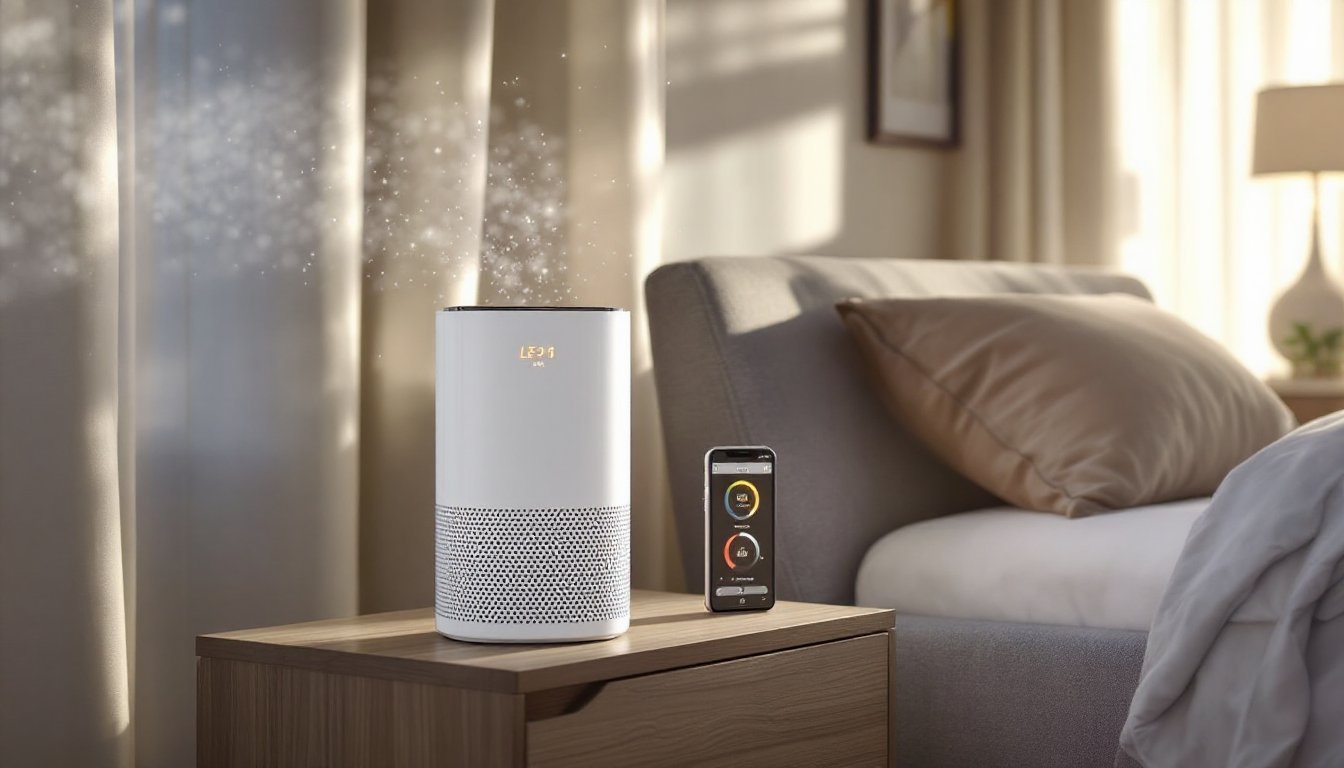
Evening wind-down routines shape bedroom and living room designs. Reading habits suggest good lighting placement. Screen-free goals might eliminate televisions from sleeping areas. Meditation practices need quiet corners with minimal visual distraction.
Life & style at home connects these routines with physical layouts. When the two align, daily activities flow smoothly. When they conflict, frustration builds.
How to Develop Your Personal Home Style
Building a personal home style takes observation, experimentation, and patience. Quick fixes rarely stick.
Start by documenting current habits. Track movement patterns through the home for a week. Note friction points: cluttered surfaces, awkward traffic paths, insufficient lighting. Identify what works well and should remain.
Next, gather inspiration without copying. Browse design platforms, visit showrooms, notice details in restaurants and hotels. Save images that create emotional responses. After collecting 50 or more examples, patterns emerge. Common colors, textures, furniture styles, and layouts reveal natural preferences.
Create a priority list. Most people can’t renovate everything at once. Rank rooms by impact and frequency of use. Living areas often deserve first attention since they host the most activities. Bathrooms and kitchens require larger budgets but deliver strong returns.
Test ideas before committing. Paint samples on walls change appearance throughout the day as light shifts. Furniture layouts can be mapped with painter’s tape on floors. Temporary textiles, throw pillows, blankets, rugs, allow color and pattern experiments without permanent investment.
Life & style at home develops over time. Rushing the process produces trendy spaces that feel dated within years. Slow, intentional decisions create lasting satisfaction.
Consider sustainability in choices. Quality pieces cost more initially but outlast cheap alternatives. Secondhand furniture carries history and character. Local artisans produce unique items unavailable in chain stores.
Benefits of Cultivating Life & Style at Home
Investing effort in home style pays dividends across multiple areas of life.
Mental health improves in organized, attractive environments. Clutter creates cognitive load, the brain processes visual chaos constantly. Clean surfaces and intentional decor reduce this burden. Many people report lower stress levels after redesigning living spaces.
Productivity increases when spaces support specific activities. A dedicated work area with proper lighting and minimal distractions produces better focus than a couch with a laptop. Storage systems that keep tools accessible eliminate wasted search time.
Relationships benefit from thoughtful home design. Conversation areas with comfortable seating facing each other encourage interaction. Family activity zones, game tables, craft stations, reading nooks, create shared experiences. Guest accommodations make hospitality easier.
Financial value grows with intentional home style choices. Well-maintained, attractively designed homes appraise higher and sell faster. Even rental properties benefit from thoughtful tenant improvements.
Life & style at home also influences physical health. Proper lighting protects eyesight. Ergonomic furniture prevents back pain. Organized kitchens encourage home cooking over takeout. Dedicated exercise spaces remove gym membership barriers.
Perhaps most importantly, a well-designed home builds identity. Personal style expressed through living spaces reinforces self-understanding. Coming home feels like arriving somewhere meaningful rather than just occupying square footage.