If you’re planning a kitchen upgrade, an LG ThinQ dishwasher brings more than just squeaky-clean dishes to the table. These machines combine traditional cleaning power with smart home integration, letting you monitor cycles, adjust settings, and troubleshoot problems right from your phone. Whether you’re renovating a kitchen from scratch or swapping out an aging appliance, understanding what an LG ThinQ dishwasher actually does, beyond the marketing speak, helps you make a confident purchase. This guide walks you through the real features, installation basics, and maintenance routines that keep these appliances running smoothly for years.
Table of Contents
ToggleKey Takeaways
- LG ThinQ dishwashers use AI Dish Detection technology to automatically adjust water, temperature, and cycle length based on dish load, reducing water consumption by up to 20% while delivering consistent cleaning results.
- The ThinQ app integration enables remote cycle control, maintenance reminders, and real-time notifications from anywhere, transforming your dishwasher into a connected smart home appliance that solves everyday kitchen frustrations.
- Advanced features like TurboSteam technology sanitizes dishes by removing 99.99% of bacteria and allergens, making LG ThinQ models ideal for families with infants or immunocompromised members.
- LoDecibel Quiet operation at 39 decibels or lower allows you to run cycles during family meals without conversation-stopping noise, unlike standard 50-decibel dishwashers.
- Proper installation requires attention to water supply connections, drain hose loop configuration, electrical circuit capacity, and Wi-Fi setup on the 2.4 GHz band to ensure optimal performance and connectivity.
- Regular maintenance—including weekly filter rinsing, monthly descaling in hard-water areas, and seasonal spray arm cleaning—maximizes longevity and prevents common issues like spotting, drainage problems, and reduced cleaning power.
What Makes LG ThinQ Dishwashers Stand Out
LG ThinQ dishwashers separate themselves through a combination of quiet operation, intelligent water usage, and connectivity that actually solves real kitchen problems. Most standard dishwashers run at around 50 decibels: many LG models operate at 39 decibels or lower, which means you can run a cycle without conversation-stopping noise during family dinners.
The core appeal is AI DD (Artificial Intelligence Dish Detection). Load the machine, close the door, and the sensors scan your dishes’ size, material, and soil level, then automatically adjust water, temperature, and cycle length. This isn’t a gimmick, it reduces water consumption by up to 20% compared to fixed cycles while delivering consistent results. For families tired of pre-rinsing or rerunning loads, this adaptive approach saves both water and time.
LG also emphasizes hygiene through TurboSteam technology, which injects steam into cycles to remove 99.99% of bacteria, mold, and allergens. If anyone in your household has sensitivities or you’re simply conscious about food-contact surfaces, this feature justifies the slightly higher price tag compared to basic models.
The LoDecibel Quiet operation is genuinely impressive for workflow. You’re not confined to running the dishwasher only after bedtime or during off-peak hours, it runs quietly enough that you can load it during meal prep without disruption.
Key Features and Smart Technology
ThinQ App Integration and Remote Control
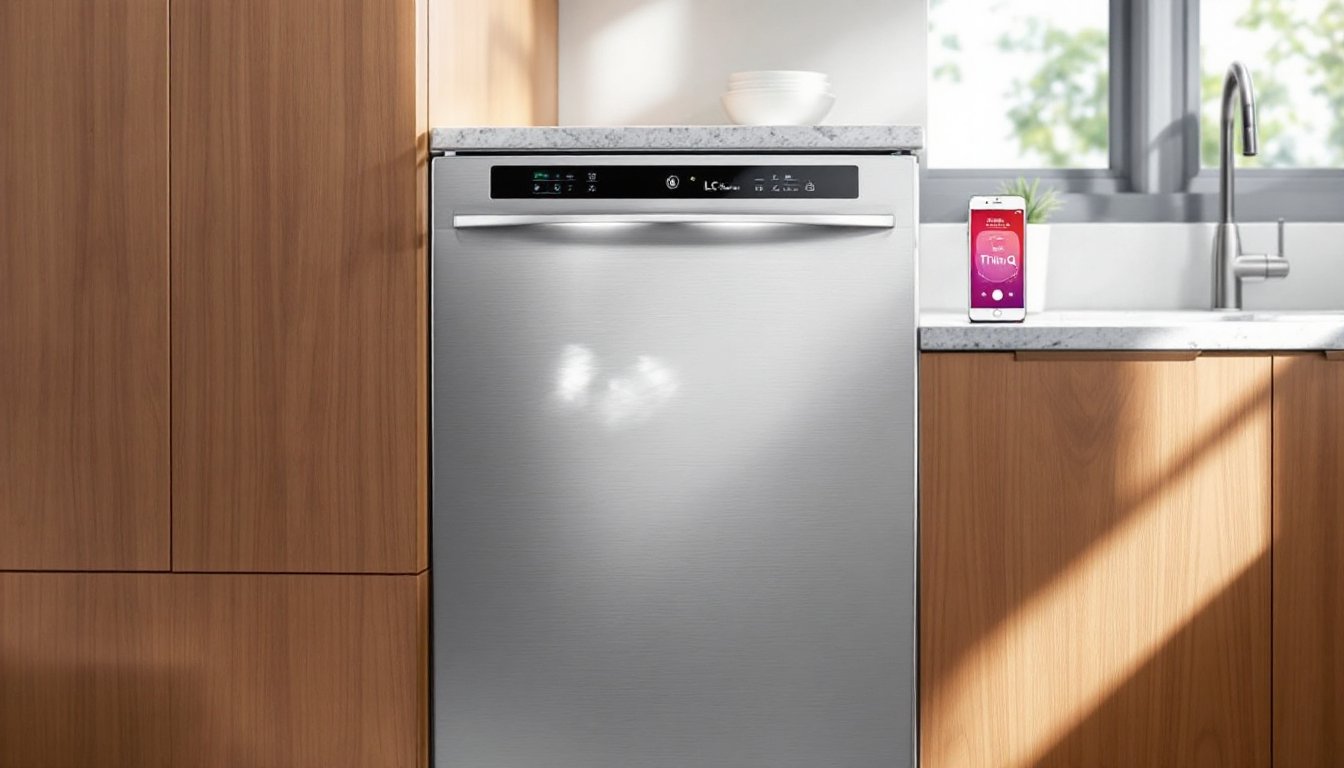
The LG ThinQ app is where the dishwasher stops being just an appliance and becomes part of your smart home ecosystem. Download the app, connect your dishwasher to your home Wi-Fi (via the 2.4 GHz band, this is important, as some dual-band routers default to 5 GHz), and you gain remote access from anywhere.
Practical examples: You’re at the grocery store and realize you forgot to start the dishes before leaving: tap the app to start a cycle remotely. You’re upstairs and want to know cycle status: check the app instead of walking to the kitchen. A cycle completes while you’re out: get a notification so dishes don’t sit wet for hours. None of these sounds revolutionary, but they eliminate small daily frustrations.
The app also logs maintenance reminders, filter cleaning intervals, salt refill status for hard-water regions, so you’re not guessing when routine upkeep is due. Troubleshooting is streamlined too: error codes appear in the app with suggested fixes before you call service.
Advanced Washing Cycles and Sanitization
Beyond basic wash and rinse, LG ThinQ models include purpose-built cycles that target specific loads. QuickWash completes lightly soiled everyday dishes in 30 minutes. Steam+Sanitize uses heated steam for extra hygiene on cutting boards, utensils, and glassware, valuable if you have young kids or prepare raw proteins frequently.
The TurboSteam technology deserves emphasis: it generates high-temperature steam at the end of cycles to kill pathogens without requiring superhot rinse water, which can warp certain plastics. This is especially useful for families with infants (bottle sterilization) or immunocompromised members.
LoTemperature Wash uses lower water temperatures while maintaining cleaning power, reducing energy consumption. Hard-water regions benefit from integrated water softening systems that automatically detect mineral content and adjust accordingly. Recent home appliance reviews from Good Housekeeping confirm that LG models handle mineral-heavy water better than competing brands in the same price tier, a critical factor if your area has high calcium and magnesium levels in tap water.
Installation and Setup Guide
Installing an LG ThinQ dishwasher follows standard practices for built-in models, but a few specifics deserve attention.
Before You Begin: Confirm your kitchen cabinetry opening matches 34.875 inches tall by 23.875 inches wide by 24.75 inches deep (these are nominal measurements: actual footprints vary slightly by model). You’ll need hot water supply, a drain line, and a standard 120V electrical outlet within reach of the appliance location. Most kitchens have these: older homes sometimes require minor plumbing or electrical upgrades.
Water Supply Connection: The inlet hose attaches to your hot water line under the sink. Use the stainless steel braided supply hose included with the dishwasher: vinyl hoses degrade over time. Hand-tighten the connection at the shut-off valve, don’t use a wrench and overtighten, which can crack fittings. Test for leaks immediately after connecting by running water to confirm no spray at joints.
Drain Installation: The drain hose loops up behind the dishwasher before running to your sink drain or garbage disposal. This high loop prevents backflow of gray water into the dishwasher. Secure the hose with a clip to prevent sagging, which traps standing water and creates odors. If your sink doesn’t have a disposal, you’ll need a standpipe drainage adapter, a short vertical pipe that allows the dishwasher’s drain pump to discharge without siphoning.
Electrical: Most dishwashers require a dedicated 120V circuit with appropriate breaker protection. Check your home’s panel capacity: older homes may need upgrades. This isn’t a plug-and-play installation, call a licensed electrician if you’re unsure about your home’s wiring.
Wi-Fi Setup: Once installed, turn on the dishwasher and download the LG ThinQ app. Connect to your home Wi-Fi network (ensure your router broadcasts a 2.4 GHz band: most modern routers support both 2.4 and 5 GHz). Pairing typically takes two to three minutes. Write down your appliance’s Wi-Fi credentials somewhere safe: you’ll need them if you reset the dishwasher or troubleshoot connection drops.
Initial Cycle: Run a hot water cycle empty with vinegar in the bottom to flush manufacturing debris and residues before washing dishes. This prevents grit from settling on your first load.
Maximizing Performance and Maintenance Tips
An LG ThinQ dishwasher performs best with smart loading and consistent maintenance, both take minutes but pay dividends in longevity and results.
Loading Strategy: Plates go on the bottom rack, angled inward toward the spray arms. Cups and glasses fit on the top rack, bowls facing down to catch spray. Don’t overload or block the spray arm’s rotation: dishes need water contact to clean. Heavy cast iron or stoneware can go on bottom racks, but avoid stacking items so tightly that water can’t circulate. The filter basket at the bottom catches food particles: remove and rinse it after each cycle, especially if you skip pre-rinsing.
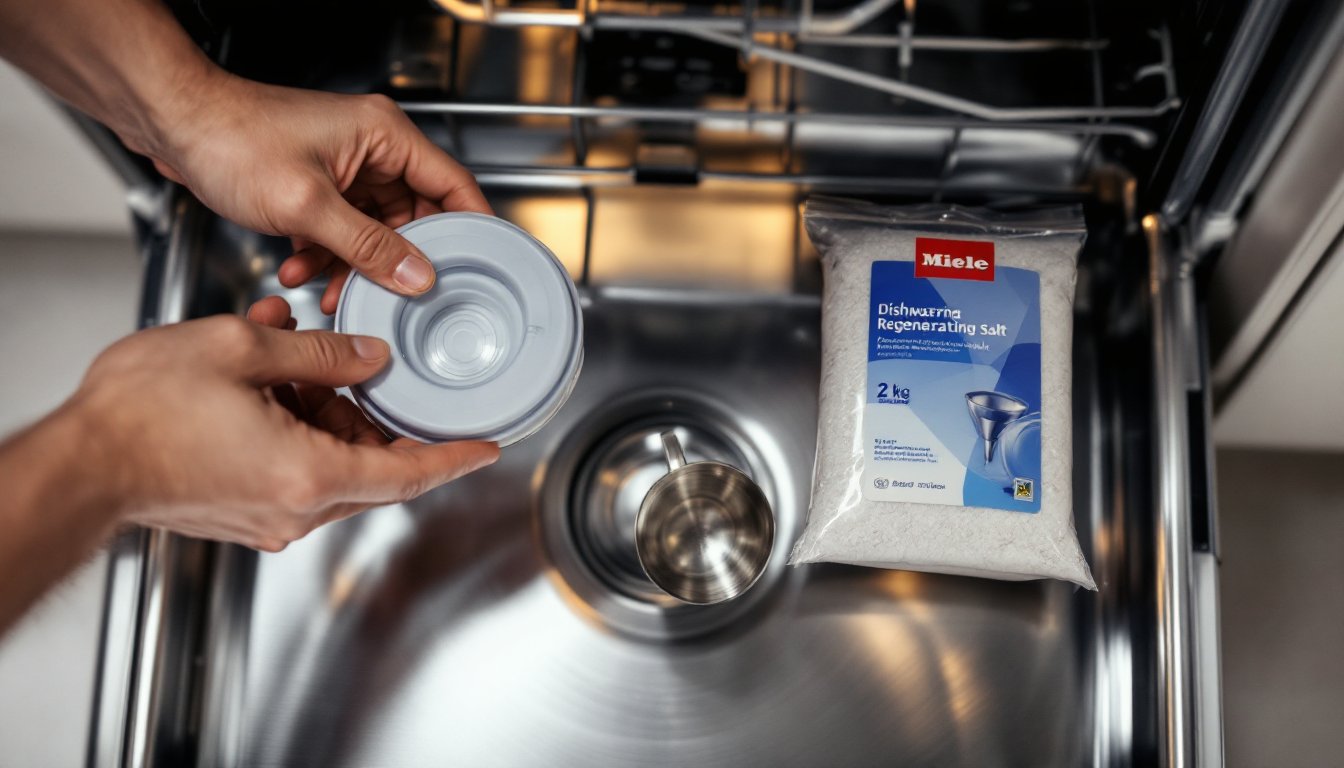
Detergent and Rinse Aid: Use rinse aid in hard-water areas, it prevents spotting and filming on glassware. Refill when the indicator shows, usually every 3–4 weeks depending on cycle frequency. Detergent pods dissolve reliably: liquid and powder alternatives work but offer less dosing precision. Smart models like LG ThinQ can alert you via app when supplies are low, but manually checking every few weeks prevents surprise shortages.
Filter and Spray Arm Maintenance: The lower filter is removable and should be rinsed weekly. Food debris clogs jets and reduces spray force. Every 3–6 months, soak the spray arms (both upper and lower) in white vinegar to dissolve mineral deposits, especially in hard-water regions. Pop them off by twisting the center hub, they’re designed for easy removal.
Hose and Seal Care: Inspect inlet and drain hoses annually for cracks, kinks, or mineral buildup. If your area has particularly hard water, run a descaling cycle using commercial dishwasher cleaning tablets monthly. Rubber door seals degrade over time: if you notice leaks at the door edge or visible gaps, replacement seals are inexpensive ($25–$50) and prevent water damage to your cabinet.
Recent smart home technology trends from Digital Trends highlight that connected appliances deliver the most value when owners use built-in diagnostics and app notifications, LG ThinQ models excel here, but only if you actually check the app and respond to maintenance alerts rather than ignoring them.
Troubleshooting Common Issues: If dishes aren’t drying completely, the heated drying element may need checking, some LG models have a sensor that can malfunction: the app will flag this with an error code. If water won’t drain, the filter or drain hose is likely clogged: clear it before calling service. Spotting on glassware typically points to low rinse aid or hard water, refill rinse aid first. Most issues can be diagnosed via the app before you book a service call, saving time and money.
Conclusion
An LG ThinQ dishwasher rewards users who appreciate the blend of automation and connectivity. The smart sensors adjust to your actual dishes, the app keeps you informed, and the hygiene features protect your family’s health. Installation demands attention to plumbing and electrical basics, don’t rush it. Ongoing maintenance is straightforward: rinse filters, refill supplies, and check the app. Kitchens that function well depend on appliances that work without constant fussing: an LG ThinQ model, properly installed and maintained, gets out of your way and simply handles the dishes.