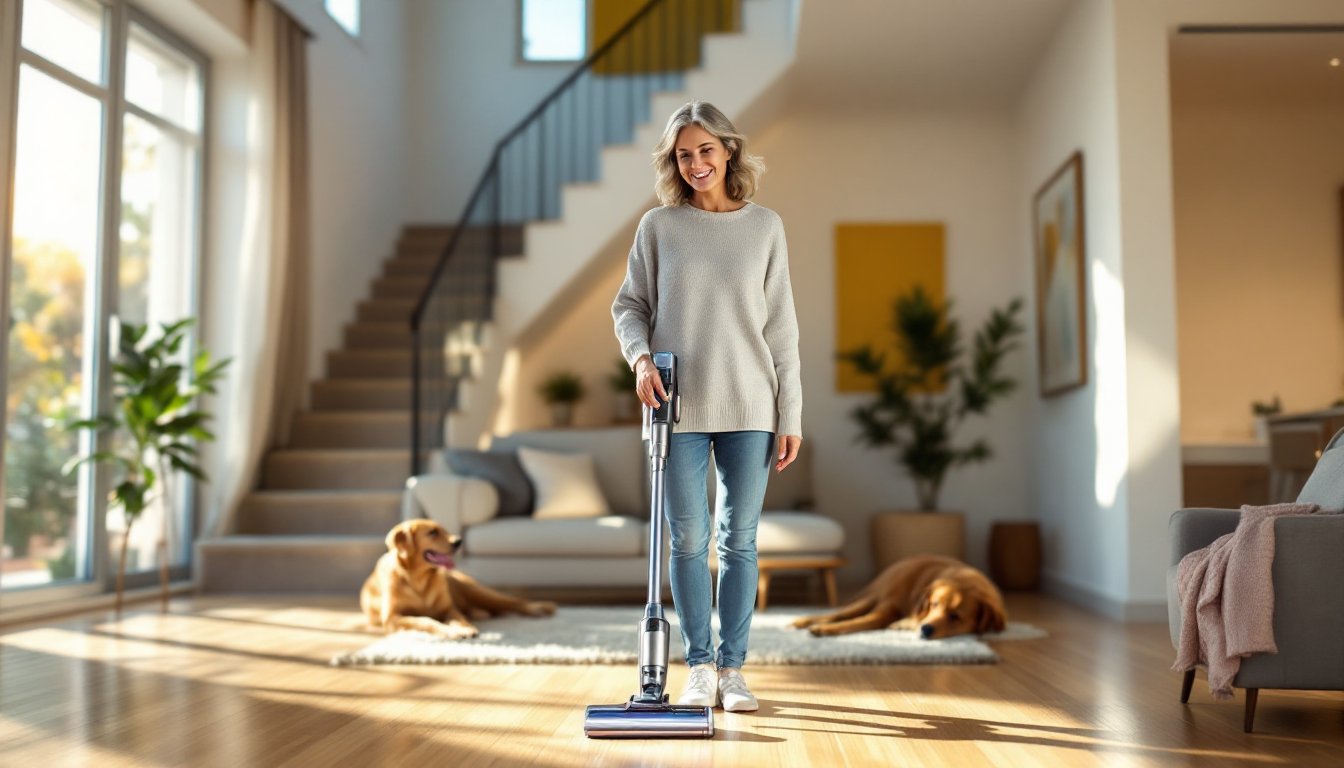
A lightweight stick vacuum isn’t just a luxury, it’s a practical solution for anyone juggling busy schedules and multiple floors. Whether you’re tackling quick cleanups, pet hair, or reaching high shelves without strain, the right lightweight stick vacuum cuts cleaning time in half. In 2026, today’s cordless models deliver serious suction power in packages that won’t leave your arm sore. This guide walks you through what matters when shopping, which features actually earn their weight, and which models deliver real value across different budgets.
Table of Contents
ToggleKey Takeaways
- A lightweight stick vacuum weighs 5–8 pounds compared to 15–20 pounds for traditional uprights, making frequent cleaning less physically demanding and more practical for busy households.
- Look for 200+ air watts of suction power with switchable modes, battery runtime of 30–40 minutes, and fast-charge technology (3–4 hours) to ensure real-world cleaning performance and convenience.
- Choose a lightweight stick vacuum based on your home size and cleaning needs: budget-friendly models ($150–$300) work for small spaces and light use, while mid-range ($300–$550) suits pet owners with stairs, and premium models ($600–$800) deliver consistent suction across all modes.
- Empty the dust bin after each use, clean filters monthly, inspect the brush roll weekly for hair buildup, and keep batteries in the 20–80% charge range to maximize suction power and extend battery lifespan by 12–18 months.
- Modern cordless stick vacuums with digital motors now match or exceed upright performance while occupying less storage space and allowing easier access to hard-to-reach areas like ceiling fans and tight corners.
Why Lightweight Stick Vacuums Are Essential for Modern Homes
A lightweight stick vacuum solves a real problem: traditional upright vacuums and heavy canister models demand serious effort, especially when cleaning stairs, furniture, or multiple levels. Most households find they vacuum more often, and more thoroughly, when the tool doesn’t feel like a chore.
These cordless models have evolved dramatically. Gone are the days of anemic suction or batteries that quit halfway through. Modern designs match or exceed upright performance while weighing 5–8 pounds instead of 15–20. For homes with pets, stairs, or hardwood mixed with carpet, that difference compounds across a week of cleaning.
Beyond convenience, lightweight stick vacuums occupy less storage space than uprights and transition easily between rooms. You’ll actually reach that ceiling fan or tight corner under the sofa when the tool doesn’t feel unwieldy. That translates to genuinely cleaner homes and less procrastination.
Key Features to Look For in a Lightweight Stick Vacuum
Motor Power and Suction Strength
Suction power matters, but the numbers can mislead. Manufacturers cite air watts (a measure of actual cleaning power), kPa (kiloPascals, indicating pressure), or vague claims about “max mode.” Real-world performance depends on how efficiently the motor delivers that power through the cleaning head.
A 200+ air watt motor handles both carpet and hard floors adequately. For pet hair or heavy debris, look for 250+ air watts or a machine with switchable suction modes, high for carpets, lower for hard floors to prevent debris scattering. The best machines use a digital motor (like Dyson’s or similar) that ramps power on demand, extending battery life while maintaining suction.
Battery Life and Charging Speed
Battery runtime typically ranges from 20 to 60 minutes depending on suction mode. For most households, 30–40 minutes of runtime covers a full single-level clean. If you have a multi-story home, confirm whether the model allows you to swap batteries or if you’re stuck waiting for a recharge.
Charging speed matters more than total runtime. A machine that charges in 3 hours is far more practical than one requiring 5–6 hours, especially if you need to clean again later. Look for models with fast-charge options (often 3–4 hours for a full charge). Lithium-ion batteries dominate this category because they hold charge longer and don’t degrade as quickly as older NiCd chemistry.
Top Lightweight Stick Vacuum Options for Every Budget
Expert testing consistently ranks cordless stick vacuums based on suction, runtime, and real-world cleaning performance. Resources like Good Housekeeping’s tested cordless stick vacuums provide detailed side-by-side comparisons and hands-on results from major brands including Dyson, Bissell, and Shark.
Premium tier ($600–$800): Dyson’s flagship models lead here with digital motors, laser detection for dust tracking, and excellent build quality. They’re not the lightest (around 7–8 pounds), but they deliver consistent suction across modes and come with multiple attachments.
Mid-range ($300–$550): Bissell and Shark offer strong suction, decent runtime (30–40 minutes), and solid warranties. Many include detachable handheld units for stairs and furniture. You sacrifice some suction steadiness compared to premium models, but daily cleaning performance is honest.
Budget-friendly ($150–$300): Entry-level cordless sticks suit light-to-moderate use, daily touch-ups, small apartments, or backup machines. Suction drops noticeably in high mode after 15–20 minutes, but they’re genuinely convenient for quick cleanups. Weight hovers around 5–6 pounds, making them easier on the arms during extended use.
Consider your home size, pet situation, and how often you deep-clean. A small apartment might thrive with a budget model: a pet-heavy household with stairs justifies mid-range investment.
Maintenance Tips to Keep Your Stick Vacuum Running Smoothly
Proper maintenance extends battery life, preserves suction, and prevents costly repairs. Start by emptying the dust bin after every use, a clogged bin reduces suction and strains the motor. Most models release with a simple button: rinse the bin weekly with water and let it air dry completely before reinstalling.
Clean the filter monthly (or more often if you have pets). Most stick vacuums use a HEPA or foam filter that traps fine dust. Tap it gently over a trash bin or rinse with cool water. Never use hot water, which damages the filter material. A clogged filter kills performance faster than a dirty bin.
Inspect the brush roll every few weeks for tangled hair or debris. Most models have a release clip that lets you lift the roll out easily. Use scissors to trim wrapped hair. Hair buildup chokes airflow and reduces suction dramatically, this single step prevents most performance complaints.
Charge the battery before it’s fully depleted whenever possible. Lithium-ion batteries degrade if repeatedly drained to empty. Many users charge nightly or after use, keeping the battery in the 20–80% range. This simple habit extends overall battery lifespan by 12–18 months compared to storage cycles.
Store your vacuum in a cool, dry location, not in a damp basement or hot garage. Batteries and electronics degrade in temperature extremes. If you won’t use the machine for more than two months, charge it to about 50% and store it. Before next use, top it up and run it briefly to confirm function.
Conclusion
A lightweight stick vacuum transforms how often you clean and how thoroughly you tackle the job. Focus on suction strength, realistic battery life, and maintenance ease, not marketing hype about “max mode” runtime. Budget appropriately for your home size and cleaning demands. With proper care, today’s cordless models deliver years of reliable service and make keeping a clean home feel manageable instead of exhausting.